Blog

  • Best Mold Testing Kits and How to Test for Mold at Home (2026 Guide)

    Best Mold Testing Kits and How to Test for Mold at Home (2026 Guide)

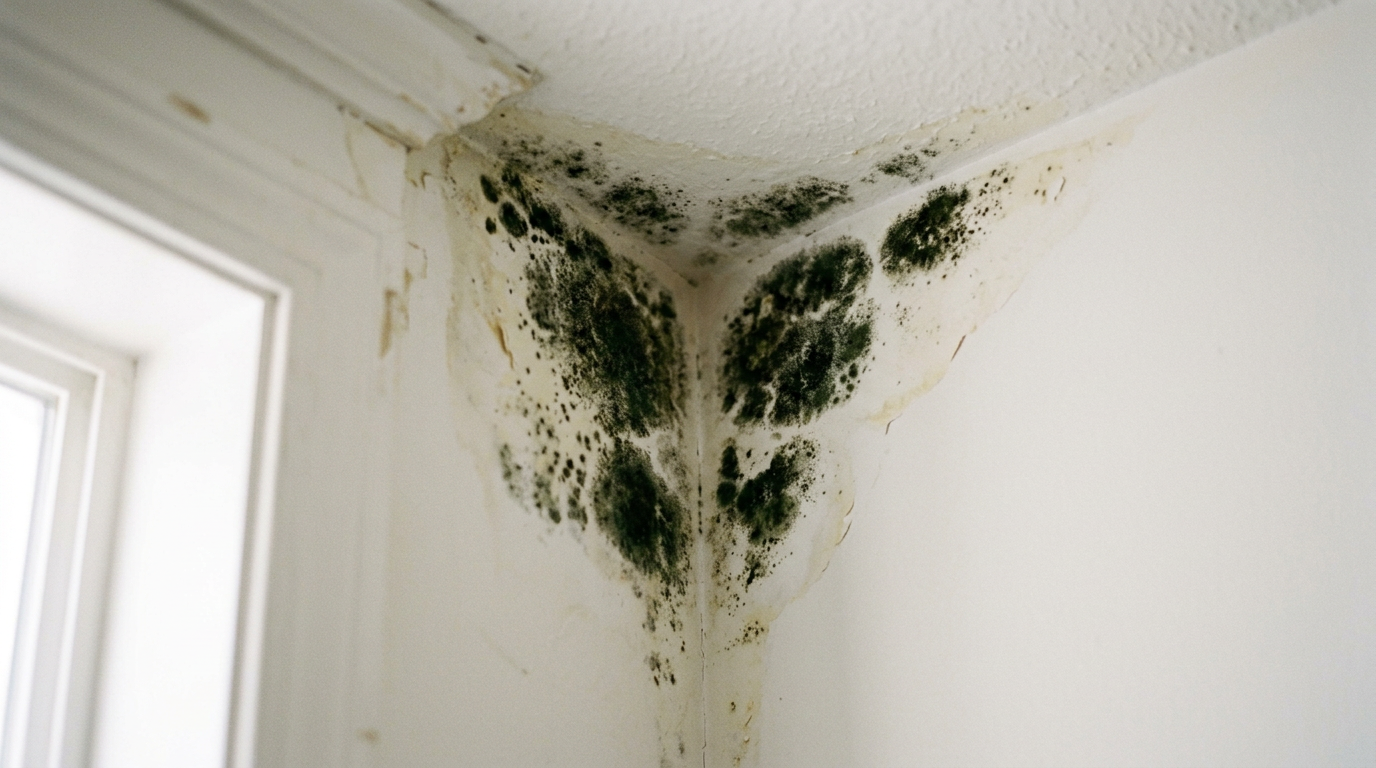
    Finding mold in your home is stressful. Finding the right mold testing kit to figure out what you’re dealing with? That can feel just as overwhelming. Between DIY swab tests, air sampling cassettes, ERMI dust analysis, and full professional inspections, the options range from $10 to $1,000+. The difference between choosing the right test and wasting your money often comes down to understanding what each test actually measures, and what it can’t tell you.

    This guide breaks down every type of mold test available in 2026, compares DIY kits against professional mold inspection, and explains how to read your lab results so you can take the right next step. Whether you suspect hidden mold behind drywall, want to verify air quality after remediation, or need documentation for a landlord dispute, there’s a specific test designed for your situation.

    [affiliate-disclosure][table-of-contents]

    Why Mold Testing Matters (And When You Can Skip It)

    Before spending money on any mold testing kit, it helps to understand when testing is necessary and when it isn’t. The EPA’s official position is straightforward: if you can see mold and it covers less than 10 square feet, you can clean it up without testing. You already know it’s there.

    Testing becomes valuable in specific scenarios. If you smell a persistent musty odor but can’t locate the source, air sampling can confirm elevated spore counts and point toward hidden growth. If you’re experiencing symptoms of mold exposure like chronic congestion, headaches, or respiratory irritation, testing provides documentation that connects your environment to your health complaints. And if you’ve completed mold remediation, post-clearance testing is the only reliable way to verify the job was done correctly.

    The scenarios where testing genuinely helps include:

    • Suspected hidden mold (musty smell, no visible growth)
    • Health symptoms that worsen at home and improve when you leave
    • Pre-purchase home inspection during real estate transactions
    • Post-remediation clearance verification
    • Landlord/tenant disputes requiring documentation
    • Insurance claims that require proof of contamination levels
    • Confirming species identification (particularly black mold like Stachybotrys chartarum)

    Types of Mold Tests Explained

    Not all mold tests measure the same thing. The type of test you need depends entirely on what question you’re trying to answer. Here’s a breakdown of every major testing method, what it measures, and where it falls short.

    Surface Sampling (Tape Lift, Swab, and Bulk)

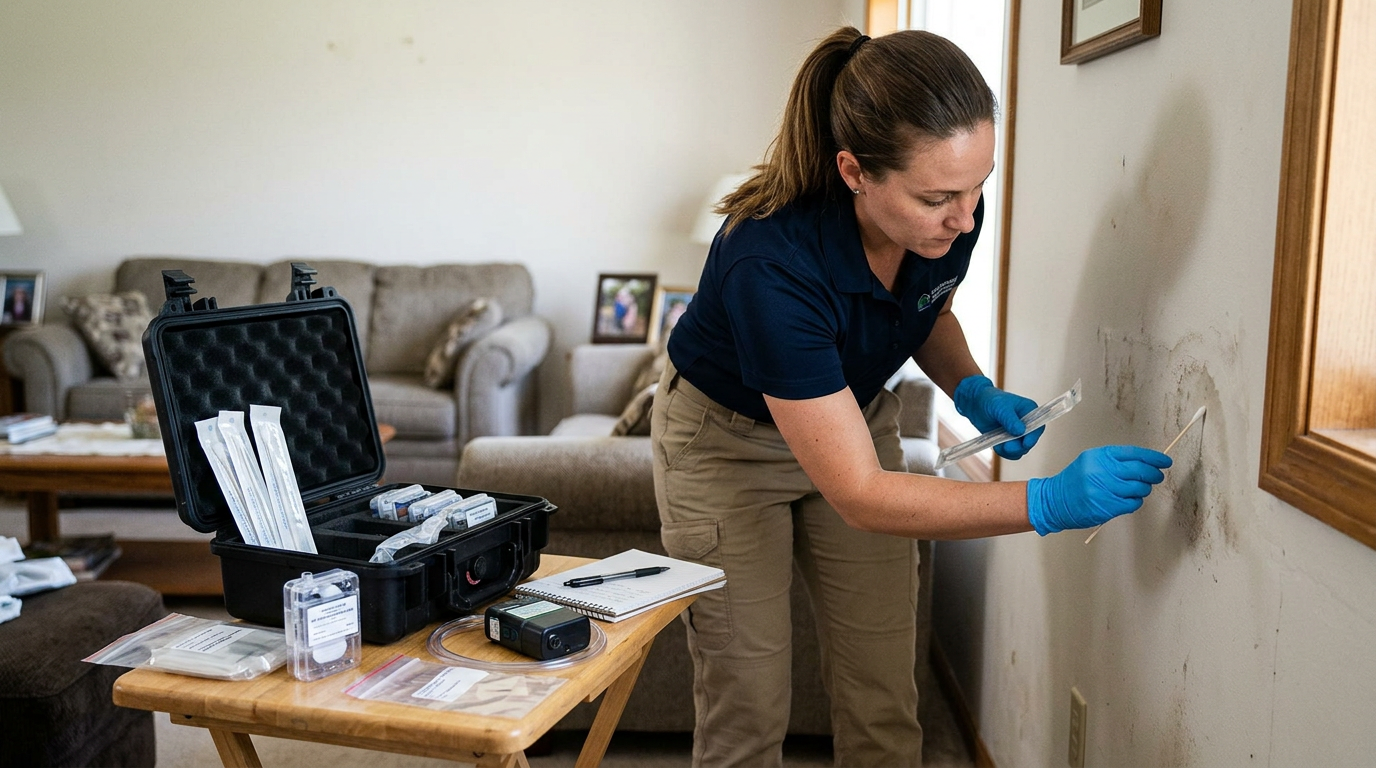
    Surface sampling collects mold directly from a material. Tape lift samples press clear adhesive tape against a surface, capturing spores and fragments for microscopic analysis. Swab tests use a sterile cotton or foam swab to collect material from a specific area. Bulk samples involve cutting a small piece of the affected material (drywall, carpet, wood) and sending it to the lab.

    Surface tests answer one question: what species of mold is growing on this specific spot? They confirm whether a suspicious discoloration is actually mold and identify the genus. However, they tell you nothing about airborne spore levels or contamination in other areas of your home.

    Air Sampling (Spore Trap / Non-Viable)

    Spore trap air sampling is the most common method used by professional mold inspectors. A calibrated pump draws a known volume of air (typically 75 liters) through a cassette containing a sticky collection surface. The lab then counts and identifies spores under a microscope.

    This is considered non-viable sampling because it captures both living and dead spores, fungal fragments, and hyphal elements. Dead spores can still trigger allergic reactions and contain mycotoxins, so this method provides a more complete picture of what you’re breathing.

    Standard protocol requires at least two samples: one indoor sample and one outdoor (baseline) sample. The outdoor sample establishes the normal background spore levels for your geographic area on that day. Indoor counts significantly exceeding outdoor counts suggest an active indoor source.

    Viable (Cultured) Air Sampling

    Viable sampling collects airborne spores onto a growth medium (agar plate), then incubates them in a lab to grow colonies. This method identifies living organisms to the species level, which is more specific than the genus-level identification from spore traps.

    The advantage is precision. The drawback is that not all mold species grow well on standard culture media, and results take 7 to 14 days compared to 2 to 5 days for spore traps. Viable sampling also misses dead spores entirely, potentially underreporting total contamination.

    ERMI Testing (Environmental Relative Moldiness Index)

    The ERMI test was developed by the EPA and uses DNA-based analysis (MSQPCR) to quantify 36 species of mold from a dust sample. It produces a single numerical score that compares your home’s mold profile against a national database of 1,096 homes.

    ERMI scores range roughly from -10 to 20+. Scores below 0 indicate low mold burden. Scores between 0 and 5 are moderate. Scores above 5 are elevated, and scores above 10 suggest significant contamination.

    The ERMI test kit is popular among patients working with integrative or environmental medicine doctors because it provides species-level quantification. However, the EPA itself cautions that ERMI was designed as a research tool, not a diagnostic one, and results can vary based on dust collection method and home age.

    HERTSMI-2 Scoring

    HERTSMI-2 (Health Effects Roster of Type-Specific (Formers of) Mycotoxins and Inflammagens, 2nd version) is a simplified scoring system derived from ERMI data. It focuses on five specific mold species most associated with health effects in water-damaged buildings:

    1. Aspergillus penicillioides
    2. Aspergillus versicolor
    3. Chaetomium globosum
    4. Stachybotrys chartarum
    5. Wallemia sebi

    Each species receives a score of 0 to 10 based on concentration. A total HERTSMI-2 score below 11 is considered safe for most people. Scores between 11 and 15 are borderline. Scores above 15 indicate a building that may be problematic for mold-sensitive individuals.

    Mycotoxin Testing

    Mycotoxin tests detect the toxic chemical compounds that certain mold species produce. These tests can be performed on dust samples, air samples, or even urine (for human body burden testing). A mycotoxin test kit typically screens for trichothecenes, aflatoxins, ochratoxins, and gliotoxins.

    Environmental mycotoxin testing is relatively new and somewhat controversial. Some labs and physicians rely on it heavily, while others argue the science behind environmental mycotoxin sampling is not yet standardized. If you’re pursuing this route, work with a qualified environmental medicine physician who can interpret results in clinical context.

    Comparison Table: Types of Mold Tests

    Test TypeWhat It MeasuresBest ForTurnaroundTypical Cost
    Surface Swab/Tape LiftSpecies on a specific spotIdentifying visible growth3-5 days$30-$75/sample
    Spore Trap (Non-Viable Air)Airborne spore count by genusDetecting hidden mold, air quality2-5 days$30-$50/cassette + lab
    Viable (Cultured) AirLiving spores to species levelSpecies-level ID from air7-14 days$50-$100/sample + lab
    ERMI (DNA/MSQPCR)36 species from dust, scoredOverall home mold burden assessment5-10 days$250-$400
    HERTSMI-25 key toxic species from dustHealth-focused screening5-10 days$150-$250
    Mycotoxin (Environmental)Toxic compounds in dust/airToxicity assessment7-14 days$300-$500

    DIY Mold Testing Kit vs Professional Mold Inspection

    This is the question that drives most people to this page. A home mold testing kit costs $10 to $50 at the hardware store. A professional mold inspection runs $300 to $800 or more. Is the professional inspection worth five to fifty times the price?

    The honest answer: it depends on what you need the results for.

    What DIY Mold Test Kits Actually Do

    Most consumer mold test kits sold at hardware stores are settle plate tests. You open a petri dish, leave it exposed for a set time (usually 24 to 48 hours), seal it, and either read the results yourself or mail it to a lab. Some kits include swabs for surface sampling or cassettes for limited air sampling that require a lab fee of $30 to $75 per sample.

    The settle plate approach has a fundamental problem: mold spores are everywhere, all the time. A settle plate left open in any room of any building will grow mold colonies. That positive result tells you nothing useful. Certified inspectors consider settle plate testing to be unreliable because there’s no control for air volume, no outdoor baseline comparison, and no way to quantify spore concentration.

    The more useful DIY kits skip the settle plate and include either tape lift supplies for surface sampling or cassettes designed for pump-assisted air sampling. If you purchase a mold air quality test with calibrated cassettes and rent or buy a sampling pump, your results become significantly more meaningful because the lab receives a known volume of air to analyze.

    What Professional Mold Inspection Includes

    A qualified mold inspector brings calibrated equipment, visual inspection expertise, and a moisture meter to every job. The inspection typically involves:

    • Visual assessment of the entire property for signs of water damage and mold growth
    • Moisture mapping with a professional moisture meter to identify hidden water intrusion
    • Thermal imaging (in some inspections) to detect moisture behind walls
    • Strategic air sampling (indoor + outdoor baseline)
    • Surface sampling of suspicious areas
    • Lab analysis with chain-of-custody documentation
    • Written report with findings, spore counts, species identification, and recommendations

    The critical difference is context. A professional doesn’t just collect samples. They determine where to sample based on moisture readings, visual cues, and building science knowledge. Two air samples in the wrong locations tell you less than one sample in the right spot.

    Head-to-Head Comparison

    FactorDIY Mold Test KitProfessional Mold Inspection
    Cost$10-$50 kit + $30-$75/sample lab fee$300-$800 (includes sampling + report)
    AccuracyLow (settle plate) to moderate (cassette)High (calibrated equipment, strategic placement)
    Turnaround3-10 days (after mailing)2-5 days (most inspectors use priority labs)
    Species IdentificationYes, if sent to accredited labYes, always included
    Air Volume ControlNone (settle plate) or limitedCalibrated pump with known volume
    Outdoor BaselineRarely includedAlways included (standard protocol)
    Moisture AssessmentNot includedIncluded (identifies water source)
    Written ReportBasic lab report onlyDetailed findings + remediation recommendations
    Legal/Insurance ValueMinimalStrong (chain of custody, certified inspector)
    Best ForConfirming visible mold species, preliminary screeningHidden mold, health concerns, real estate, legal

    How to Test for Mold at Home (Step-by-Step)

    If you’ve decided to use a DIY mold testing kit, following a consistent method makes your results far more useful. Certified inspectors recommend these protocols for each sampling type.

    Surface Sampling Protocol

    1. Wear nitrile gloves and an N95 respirator to avoid disturbing spores into your breathing zone.
    2. For tape lift sampling, press the clear adhesive tape firmly against the suspected growth. Do not rub or scrub. Peel it away and adhere it to the slide provided in the kit.
    3. For swab sampling, moisten the swab with sterile water (included in most kits), roll it across the area in a 2″ x 2″ square, and place it in the sterile transport tube.
    4. Label each sample with the exact location (room, wall, height from floor) and date.
    5. Package and mail to the lab within 24 hours of collection.

    Air Sampling Protocol (DIY Cassette Method)

    1. Close all windows and exterior doors for at least 12 hours before sampling. This creates “closed building conditions” that prevent outdoor air from diluting indoor spore counts.
    2. Turn off HVAC systems 1 hour before sampling (some protocols call for running HVAC normally; follow the kit manufacturer’s instructions).
    3. Set up the sampling pump and cassette at breathing height (approximately 3 to 5 feet) in the center of the room.
    4. Run the pump for the duration specified by the cassette manufacturer (commonly 5 to 10 minutes at a flow rate of 15 liters per minute).
    5. Collect an outdoor sample using the same method, positioned away from vegetation and exterior walls.
    6. Record sampling times, flow rate, and location for each cassette.
    7. Ship cassettes to the lab within 48 hours.

    ERMI Dust Sampling Protocol

    1. Do not vacuum the sampling area for at least 5 days before collection. ERMI measures accumulated dust, and recent vacuuming reduces the sample.
    2. Using the dust collection device provided in your ERMI test kit (usually a Swiffer-type cloth or vacuum cassette), collect dust from 6 square feet of carpet or 10 square feet of hard flooring.
    3. Focus on areas where dust accumulates: along baseboards, under furniture edges, near HVAC returns.
    4. Place the collection cloth in the sealed bag provided and ship to the lab.

    How to Interpret Your Mold Test Results

    Getting lab results back can be confusing. A typical spore trap report lists genus names (Aspergillus/Penicillium, Cladosporium, Stachybotrys) alongside raw spore counts per cubic meter of air. Here’s how to make sense of those numbers.

    Understanding Spore Trap Results

    There are no federal standards for acceptable indoor mold levels. However, certified mold inspectors use these general guidelines when evaluating spore trap results:

    The outdoor comparison is everything. Indoor spore counts should be equal to or lower than outdoor counts. If your outdoor baseline shows 2,000 spores/m3 of Cladosporium and your indoor count is 1,500 spores/m3 of Cladosporium, that’s likely normal infiltration. If your indoor count is 8,000 spores/m3 while outdoor is 2,000, that suggests an active indoor source.

    Species distribution matters. Indoor and outdoor samples should show similar species in similar proportions. If your outdoor sample is predominantly Cladosporium (very common) but your indoor sample shows elevated Aspergillus/Penicillium or Chaetomium, there’s likely indoor amplification even if total counts are similar.

    Certain species are red flags regardless of count. Stachybotrys (black mold), Chaetomium, and Memnoniella are water-damage indicator species. Any presence of these indoors, even at low counts, warrants investigation because they indicate chronic moisture and are associated with serious health effects from mold exposure.

    General Spore Count Reference Ranges

    Total Indoor Spore Count (spores/m3)General Interpretation
    Below outdoor levelNormal. No indoor amplification detected.
    Equal to outdoor levelLikely normal. Review species distribution.
    1.5x to 3x outdoor levelElevated. Possible indoor source. Further investigation recommended.
    3x+ outdoor levelSignificantly elevated. Active indoor mold growth likely.
    Any Stachybotrys or ChaetomiumInvestigate immediately regardless of count.

    Important caveat: These are general guidelines, not diagnostic thresholds. Lab results should be interpreted in context with visual findings, moisture data, and occupant symptoms. If your results are confusing, consulting a certified mold inspector to review them is well worth the $50 to $150 consultation fee most offer.

    Understanding ERMI and HERTSMI-2 Scores

    ERMI results come as a single index score. The national database breaks down as follows:

    • ERMI below -1: 25th percentile (low mold burden, better than 75% of homes tested)
    • ERMI between -1 and 5: Moderate range (typical for many homes)
    • ERMI between 5 and 10: Elevated (above 75th percentile)
    • ERMI above 10: High (investigate for hidden water damage)

    For HERTSMI-2, the scoring is based on Dr. Ritchie Shoemaker’s research with chronic inflammatory response syndrome (CIRS) patients. Scores below 11 are generally considered safe. Scores between 11 and 15 are borderline. Scores above 15 suggest the building may not be safe for mold-sensitive individuals.

    How Much Does Mold Testing Cost?

    Mold testing costs vary significantly based on the method, number of samples, and whether you hire a professional or do it yourself. Here’s a realistic cost breakdown for 2026.

    DIY Testing Costs

    ItemCost Range
    Basic settle plate kit (hardware store)$10-$15
    Surface swab kit with lab analysis$30-$75
    Air cassette kit (2 cassettes + lab)$80-$150
    ERMI test kit with lab analysis$250-$400
    HERTSMI-2 test kit with lab analysis$150-$250
    Mycotoxin dust test with lab analysis$300-$500
    Sampling pump rental (if needed)$30-$50/day

    Professional Inspection Costs

    ServiceCost Range
    Visual inspection only (no sampling)$150-$300
    Inspection + 2 to 4 air samples + report$300-$600
    Comprehensive inspection (6+ samples, moisture mapping)$500-$800
    Large property or commercial inspection$800-$2,000+
    Post-remediation clearance testing$200-$500
    Additional samples (beyond base package)$50-$100 each

    One important note: the mold inspector should be independent from the remediation company. If the same company inspects your home and then offers to fix the problem, there’s a financial incentive to find more mold than exists. Reputable inspectors provide the assessment and then refer you to separate remediation contractors. Many states have begun codifying this separation into law.

    Choosing the Right Mold Testing Kit for Your Situation

    The best mold testing kit depends on your specific circumstances. Here’s a decision framework based on what certified inspectors recommend for common scenarios.

    Scenario 1: Visible Mold, Want to Know the Species

    Use a surface swab or tape lift mold testing kit. This is the most cost-effective approach when mold is already visible. Send the sample to an accredited lab (look for AIHA or EMLAP accreditation). The lab report will identify the genus and often the species, which helps determine health risk and remediation urgency.

    Scenario 2: Musty Smell, No Visible Mold

    Use a spore trap air sampling kit with at least two cassettes (one indoor, one outdoor). Consider three to four cassettes if the smell is in a specific area. This approach detects hidden mold by measuring airborne spore concentrations. A mold air quality test with calibrated cassettes produces results that are meaningful to interpret.

    Scenario 3: Health Symptoms, Need Comprehensive Assessment

    Use an ERMI or HERTSMI-2 dust test. These DNA-based methods provide the most thorough species-level analysis and are commonly requested by environmental medicine physicians. The ERMI test kit provides a standardized score that physicians can use alongside clinical findings.

    Scenario 4: Post-Remediation Verification

    Hire a professional for post-remediation clearance testing. This is not the time for DIY. Clearance testing should be performed by an independent inspector (not the remediation company) using spore trap air sampling with outdoor baseline comparison. Documentation from a certified inspector protects you legally and ensures the work was effective. If you’ve invested thousands in professional mold removal, spending $200 to $500 for independent verification is essential.

    Scenario 5: Real Estate Transaction

    Hire a professional mold inspector. DIY results carry no weight in real estate negotiations. You need a licensed inspector, a chain-of-custody lab report, and a written assessment from a qualified professional. This documentation can justify price negotiations or repair demands.

    Common Mistakes to Avoid When Testing for Mold

    Lab technicians and certified inspectors report seeing the same errors repeatedly from homeowners who test themselves. Avoiding these mistakes saves money and prevents misleading results.

    1. Using Settle Plate Tests and Trusting the Results

    Settle plate tests (open petri dish, wait, seal) will always grow mold because spores are universally present in air. A positive result is meaningless without quantification. If your mold test kit relies solely on a settle plate, the results cannot be interpreted as evidence of a mold problem.

    2. Sampling Without an Outdoor Baseline

    A single indoor air sample with no outdoor comparison provides no context. Spore counts of 3,000/m3 could be completely normal on a high-pollen fall day or extremely elevated on a dry winter day. Always collect at least one outdoor sample at the same time as your indoor samples.

    3. Opening Windows Before Sampling

    Open windows flood the indoor environment with outdoor spores, masking any indoor mold source. Maintain closed building conditions (windows and exterior doors shut) for 12 to 24 hours before air sampling.

    4. Sampling Only One Room

    Mold growth in a basement or crawl space can elevate spore counts throughout the house via HVAC distribution. If you only sample the living room and miss the basement, your results may show normal levels while the true contamination source goes undetected.

    5. Ignoring Moisture in Favor of Mold Testing

    Mold is a symptom of a moisture problem. Testing confirms the mold is there, but it doesn’t fix the underlying water intrusion. Before spending money on testing, use a moisture meter to identify active water sources. Fixing the moisture source is always more important than identifying the exact mold species growing because of it.

    When to Skip DIY and Call a Professional

    DIY mold testing has its place, but there are situations where going professional from the start saves time, money, and frustration:

    • Large affected areas (over 10 square feet): The EPA recommends professional assessment for mold covering more than 10 square feet.
    • HVAC contamination: If you suspect mold in your ductwork, professional testing with specialized equipment is necessary.
    • Sewage or contaminated water damage: Category 3 water damage requires professional assessment and remediation.
    • Health symptoms in occupants: If anyone in the home is experiencing respiratory symptoms, immune suppression, or chronic illness, professional testing ensures accurate results for medical decision-making.
    • Legal or insurance purposes: DIY results rarely hold up in disputes. Professional reports with chain-of-custody documentation are the standard.
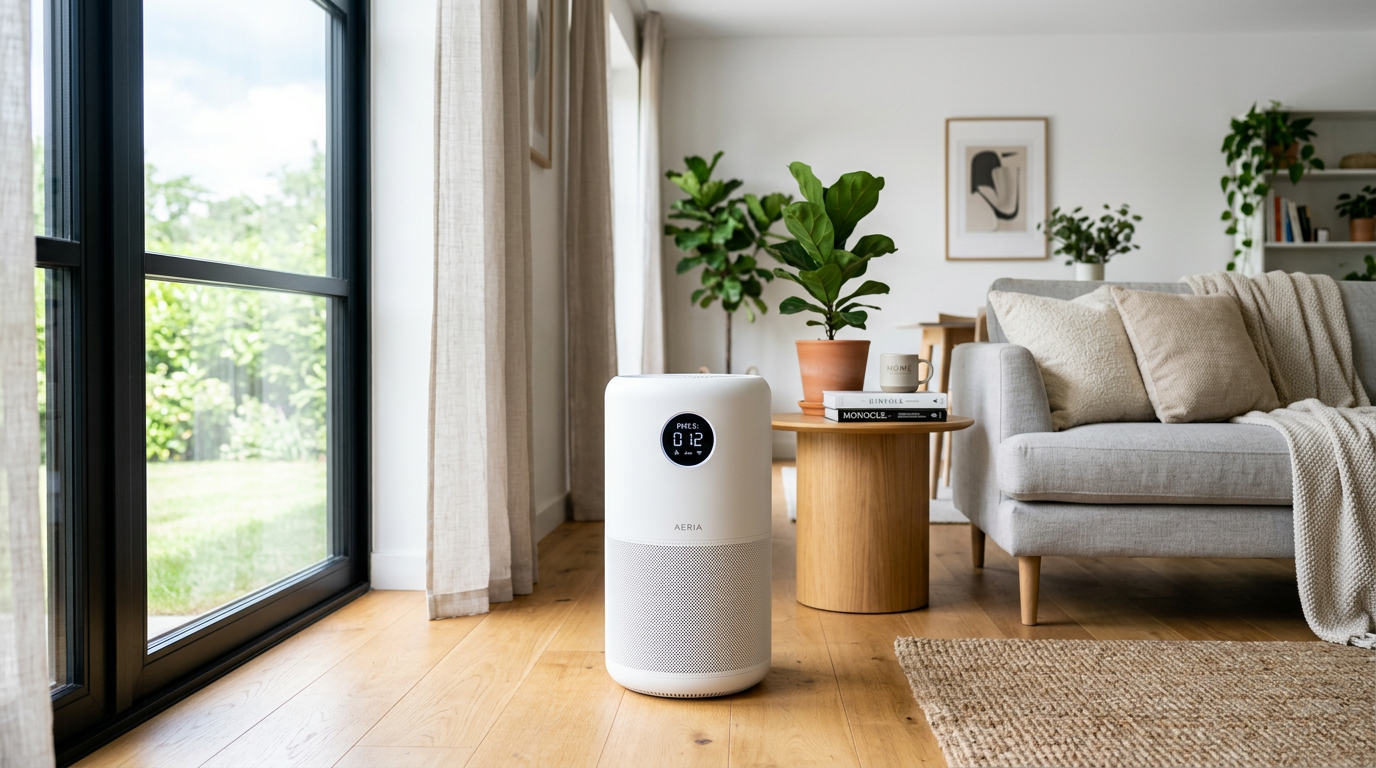
    • You need to find the source: A professional inspector’s value isn’t just in sampling. It’s in using moisture meters, thermal imaging, and building science knowledge to locate hidden moisture and mold sources. If air quality is your concern, an air purifier rated for mold spores can help in the interim while you address the source.

    Mold Testing Kit Accuracy: What the Research Shows

    Are home mold test kits accurate? The answer depends heavily on which kit and which method. Research and lab technician feedback reveal a clear accuracy hierarchy.

    Settle plate kits (lowest accuracy): These produce false positives nearly 100% of the time because they can’t distinguish between normal background spore levels and elevated contamination. Consumer Reports, the American Industrial Hygiene Association, and multiple state health departments have advised against relying on settle plate results.

    Surface sampling kits (moderate accuracy): When collected properly and analyzed by an accredited lab, surface samples reliably identify mold species. The accuracy depends more on collection technique than on the kit itself. Verified buyer reviews for leading surface test kits consistently report that lab results match professional assessments when the same area is tested.

    Air cassette kits (moderate to high accuracy): With a calibrated pump and proper protocol, DIY air cassettes can produce results comparable to professional sampling. The main accuracy gap comes from sample location strategy, not from the cassettes themselves. Professional-grade cassettes (Zefon Air-O-Cell, Allergenco-D) used by inspectors are often available for direct consumer purchase.

    ERMI/HERTSMI-2 kits (high accuracy for what they measure): DNA-based analysis is highly specific. The accuracy concern with ERMI isn’t the lab analysis but the dust collection method. Inconsistent collection can produce variable results from the same home. Following the EPA’s standardized collection protocol minimizes this variability.

    For further reading on mold testing methodology, the EPA’s guide on mold testing and sampling provides foundational guidance on when and how to test.

    Frequently Asked Questions About Mold Testing

    Are home mold test kits accurate?

    It depends on the type. Settle plate kits (open petri dish) are unreliable because they produce false positives in virtually any environment. Surface swab kits sent to accredited labs are reasonably accurate for identifying mold species on a specific spot. Air cassette kits used with a calibrated pump can produce results comparable to professional testing when collected properly with an outdoor baseline sample. ERMI and HERTSMI-2 kits using DNA analysis are highly accurate at the lab level, though results can vary based on dust collection technique.

    How much does mold testing cost?

    DIY mold test kits range from $10 to $50, with lab analysis fees of $30 to $75 per sample on top. ERMI kits with lab analysis cost $250 to $400. Professional mold inspections including sampling and a written report typically cost $300 to $800 for a standard residential property. Post-remediation clearance testing runs $200 to $500.

    What is the best mold test kit?

    For surface testing of visible mold, any kit that includes a tape lift or swab and sends to an AIHA-accredited lab will work. For air quality concerns, kits that include spore trap cassettes (not settle plates) paired with a sampling pump provide the most useful data. For comprehensive home assessment, an ERMI or HERTSMI-2 dust test provides the deepest analysis. The “best” kit depends on whether you’re trying to identify a specific growth, assess air quality, or evaluate overall home mold burden.

    Can I test for mold myself?

    Yes, with limitations. DIY surface sampling (swabs and tape lifts) is straightforward and produces reliable results when sent to an accredited lab. DIY air sampling requires more equipment (a calibrated pump and cassettes) and careful protocol, but can produce useful data. The main limitation of DIY testing is the absence of professional interpretation. You’ll get raw spore counts and species names, but not the building science expertise to determine what’s causing the problem or how to fix it.

    How long does mold testing take?

    Sample collection takes 15 to 60 minutes depending on the number of samples and method. Lab turnaround depends on the test type. Spore trap analysis typically takes 2 to 5 business days. Culture-based (viable) analysis takes 7 to 14 days because colonies need time to grow. ERMI and mycotoxin DNA analysis takes 5 to 10 business days. Most labs offer rush processing for an additional fee.

    Do I need mold testing after water damage?

    If water damage was addressed within 24 to 48 hours and materials were thoroughly dried, testing may not be necessary. Mold typically requires 48 to 72 hours of sustained moisture to begin growing. If water sat for longer than 48 hours, if porous materials (drywall, carpet, insulation) remained wet, or if you notice a musty smell days or weeks after the event, testing is recommended. Air sampling 5 to 7 days after drying is complete gives the most accurate picture of whether mold growth was established.

    What should I do if my test results show elevated mold levels?

    First, identify and fix the moisture source. Mold cannot grow without moisture, so any remediation effort will fail if the water intrusion continues. For small areas (under 10 square feet), you can follow EPA guidelines for DIY mold removal. For larger areas, contamination in HVAC systems, or toxic species like Stachybotrys, hire a licensed mold remediation contractor. After remediation, get independent post-clearance testing from a different company than the one that did the remediation work.

    Bottom Line: Which Mold Test Should You Buy?

    If you can see mold and want to confirm the species, a surface sampling mold test kit sent to an accredited lab is all you need. Budget $30 to $75.

    If you suspect hidden mold or want to assess indoor air quality, a mold air quality test with spore trap cassettes and a sampling pump provides meaningful data. Budget $80 to $150 for a DIY setup.

    If you’re working with a physician on mold-related health issues, an ERMI test kit or mycotoxin test kit gives the comprehensive data doctors use for treatment decisions. Budget $250 to $500.

    If the situation involves health symptoms, legal documentation, real estate, or insurance claims, skip DIY entirely and hire a certified mold inspector. The $300 to $800 investment provides expert sampling strategy, proper documentation, and actionable recommendations that no kit can replicate.

    Whatever you choose, avoid settle plate tests, always include an outdoor baseline for air sampling, and remember that finding the moisture source matters more than identifying the exact species growing on your walls.
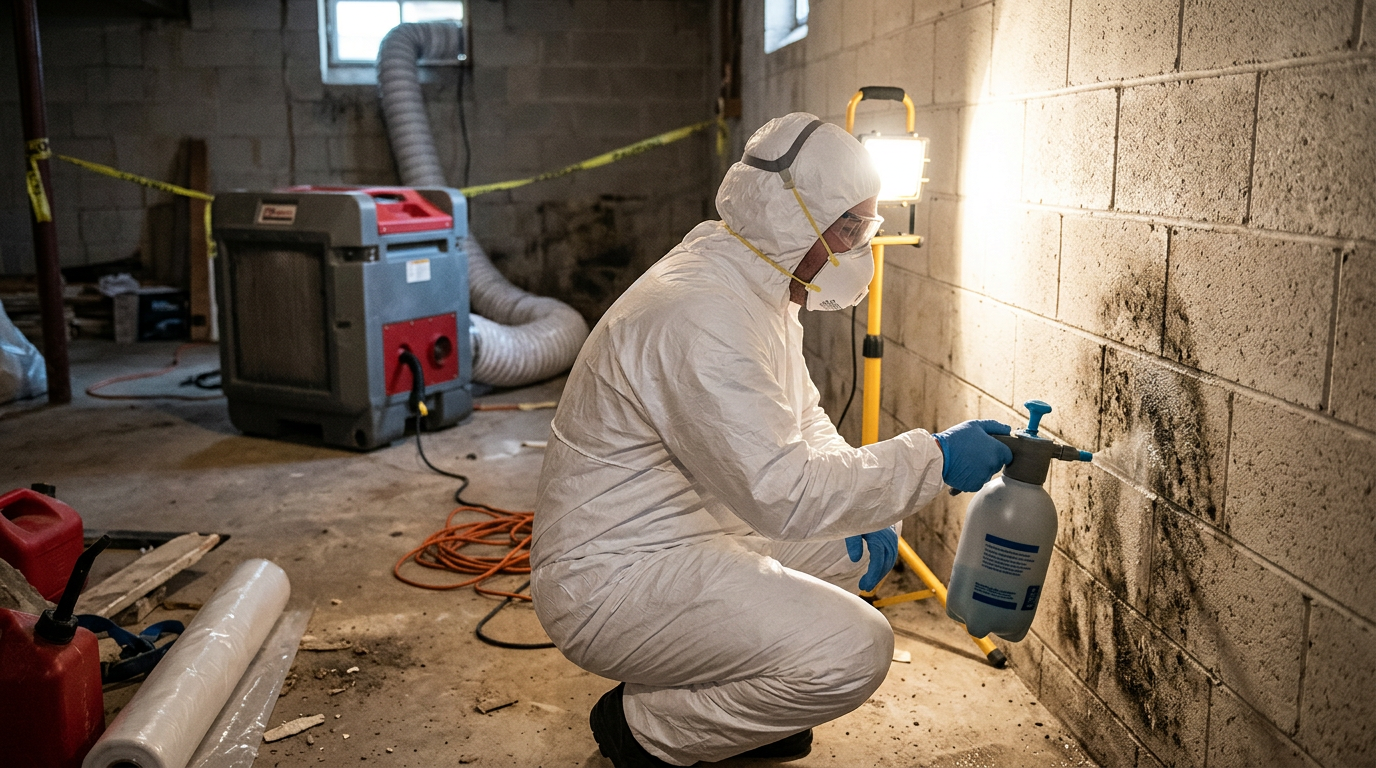
  • Mold Exposure Symptoms: Complete Guide to Health Effects and Treatment

    Mold Exposure Symptoms: Complete Guide to Health Effects and Treatment

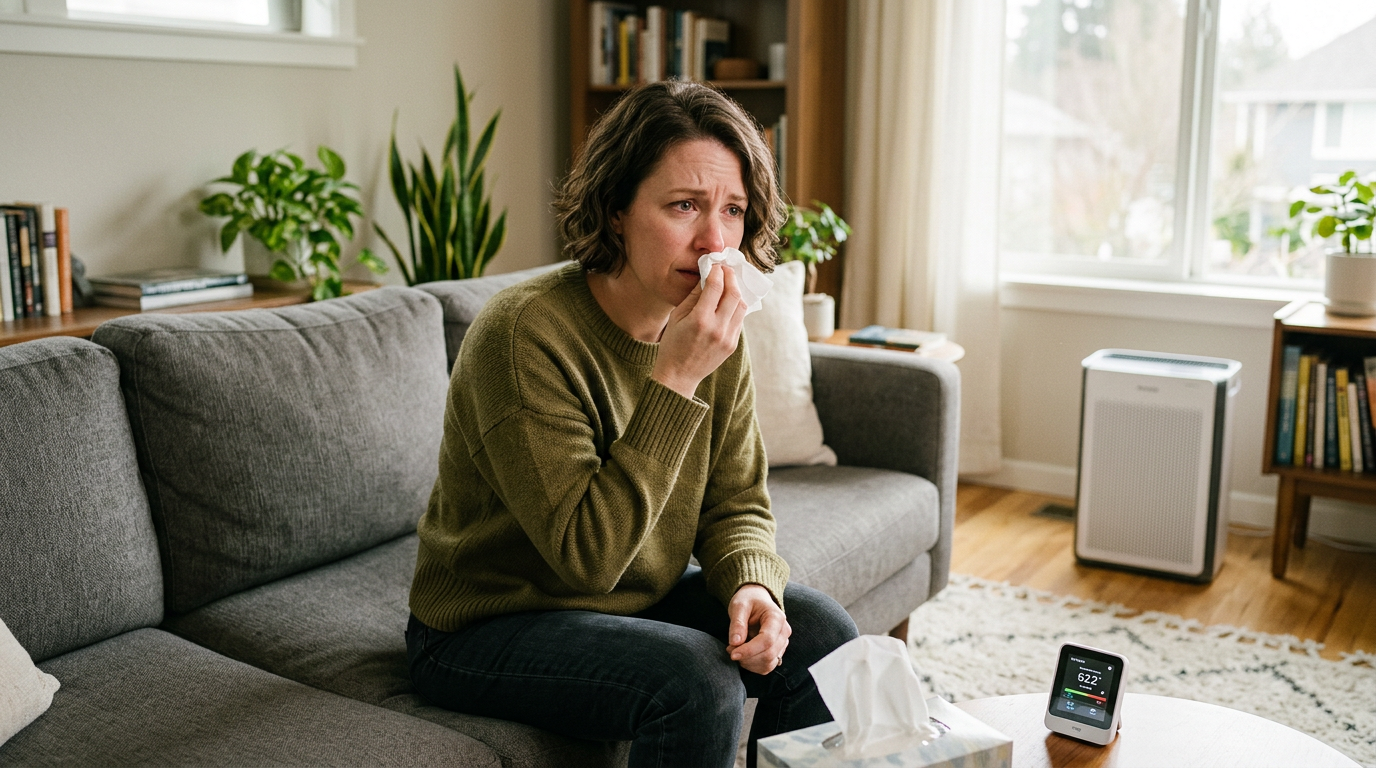
    Mold exposure symptoms affect an estimated 4.6 million people in the United States alone, according to research published in the Journal of Allergy and Clinical Immunology. From mild nasal congestion to debilitating chronic inflammatory conditions, the health effects of mold exposure vary widely depending on the type of mold, duration of exposure, and individual susceptibility. This guide covers every major symptom category, explains the science behind mold-related illness, and provides a clear framework for knowing when professional medical help is necessary.

    [affiliate-disclosure]

    Medical Disclaimer: This article is for informational purposes only and does not constitute medical advice. If you suspect mold-related illness, consult a qualified healthcare provider. The information presented here is based on peer-reviewed research and public health guidelines from the CDC and other authoritative sources.

    [table-of-contents]

    How Mold Exposure Affects the Human Body

    Mold reproduces by releasing microscopic spores into the air. When inhaled, ingested, or contacted through the skin, these spores can trigger a cascade of immune responses. The severity depends on three primary factors: the species of mold involved, the concentration of spores, and the individual’s immune status.

    The most common indoor mold species responsible for health complaints include Stachybotrys chartarum (commonly called “black mold”), Aspergillus, Penicillium, Cladosporium, and Alternaria. Each produces different combinations of allergens, irritants, and in some cases, mycotoxins, which are toxic secondary metabolites that can cause systemic health effects beyond simple allergic reactions.

    The body’s response to mold spores typically begins in the respiratory system. Mold proteins bind to IgE antibodies on mast cells in the nasal passages and lungs, triggering histamine release. This histamine response produces the familiar allergy symptoms: sneezing, runny nose, watery eyes, and nasal congestion. In more severe cases, the immune response extends deeper into the lungs and even into systemic circulation. For a full overview of the most dangerous species, see our complete guide to black mold.

    Common Mold Exposure Symptoms by Body System

    Mold exposure symptoms span multiple organ systems. Recognizing the full range of potential effects is the first step toward proper diagnosis and treatment.

    Respiratory Symptoms

    The respiratory system bears the greatest burden during mold exposure. The CDC reports that mold exposure can cause nasal stuffiness, throat irritation, coughing, and wheezing in virtually anyone, regardless of pre-existing conditions. Clinical studies published in Environmental Health Perspectives have documented the following respiratory effects:

    • Persistent coughing (dry or productive)
    • Wheezing and shortness of breath
    • Nasal congestion and chronic sinusitis
    • Postnasal drip and throat irritation
    • Chest tightness, especially in individuals with asthma
    • Recurrent upper respiratory infections
    • Nosebleeds in cases of heavy exposure

    Mold and asthma have a particularly well-documented relationship. A 2007 study by the Institute of Medicine found sufficient evidence linking indoor mold exposure to asthma exacerbation in sensitized individuals, and suggestive evidence linking it to new-onset asthma in previously healthy people.

    Neurological and Cognitive Symptoms

    Mycotoxins produced by species like Stachybotrys and Aspergillus can cross the blood-brain barrier. Research published in Toxicology and Applied Pharmacology has shown that chronic mycotoxin exposure affects neurotransmitter function, leading to:

    • Persistent headaches and migraines
    • Difficulty concentrating (“brain fog”)
    • Memory problems and word-finding difficulties
    • Mood changes, including anxiety and depression
    • Dizziness and balance problems
    • Numbness or tingling in extremities
    • Light sensitivity

    These cognitive effects are sometimes dismissed as stress-related, which delays proper diagnosis. Monitoring indoor air quality with a reliable mold air quality monitor can help establish whether environmental conditions correlate with symptom patterns.

    Skin and Eye Symptoms

    Direct contact with mold or its spores can trigger dermatological reactions. The histamine response that causes respiratory symptoms also affects the skin and eyes:

    • Red, itchy, or watery eyes
    • Skin rashes and hives
    • Contact dermatitis at sites of direct mold exposure
    • Eczema flare-ups in predisposed individuals

    Digestive and Systemic Symptoms

    Ingestion of mycotoxins through contaminated food or through mucociliary clearance of inhaled spores can produce gastrointestinal effects. Systemic symptoms often appear in chronic exposure scenarios:

    • Nausea and loss of appetite
    • Abdominal cramping and diarrhea
    • Unexplained weight changes
    • Joint pain and muscle aches
    • Chronic fatigue that does not improve with rest
    • Increased susceptibility to infections

    Mold Exposure Symptoms by Duration: Acute vs. Chronic

    How long someone has been exposed to mold dramatically changes the symptom profile. The following table summarizes the clinical progression documented in environmental medicine literature:

    Exposure DurationTypical SymptomsSeverityReversibility
    Acute (hours to days)Sneezing, runny nose, watery eyes, throat irritation, mild cough, skin rashMild to moderateUsually resolves within 24-48 hours after removal from source
    Short-term (1-4 weeks)Persistent cough, sinus pressure, headaches, mild fatigue, worsening asthma, sleep disruptionModerateResolves within 1-2 weeks after remediation
    Chronic (1-6 months)Brain fog, chronic fatigue, recurring sinus infections, joint pain, digestive issues, anxiety, light sensitivityModerate to severeMay take weeks to months to resolve; some individuals require treatment
    Prolonged (6+ months)CIRS symptoms, immune dysregulation, hormone disruption, neuropathy, significant cognitive decline, chemical sensitivitiesSevereOften requires medical intervention; full recovery can take 6-18 months

    If you suspect indoor mold but are not sure, a home mold test kit can confirm the presence and type of mold species before symptoms escalate. Our mold testing guide covers the full range of testing options available to homeowners.

    CIRS and Chronic Mold Illness: The Underdiagnosed Condition

    Chronic Inflammatory Response Syndrome (CIRS) represents the most severe end of the mold illness spectrum. First described by Dr. Ritchie Shoemaker, CIRS is a multi-system inflammatory condition triggered by biotoxin exposure, with mold and mycotoxins being the most common source.

    CIRS is estimated to affect approximately 25% of the population who carry the HLA-DR gene variants that impair biotoxin clearance. In these genetically susceptible individuals, the immune system cannot properly identify and eliminate mycotoxins. Instead, the toxins circulate repeatedly, triggering ongoing inflammatory cascades that affect virtually every organ system.

    How CIRS Develops

    The progression from mold exposure to CIRS typically follows this pathway:

    1. Biotoxin exposure: Inhalation or ingestion of mycotoxins from water-damaged buildings
    2. Immune recognition failure: HLA-DR susceptible individuals cannot tag the biotoxin for removal
    3. Chronic inflammation: Cytokines (including C4a, TGF-beta 1, MMP-9) remain elevated
    4. Hormonal disruption: Leptin resistance develops, MSH (melanocyte-stimulating hormone) drops, leading to fatigue, pain sensitivity, and sleep disruption
    5. Multi-system breakdown: Immune, neurological, endocrine, and gastrointestinal systems all show measurable dysfunction

    Distinguishing CIRS from Mold Allergy

    Standard mold allergy is mediated by IgE antibodies and produces classic allergic symptoms. CIRS, by contrast, involves innate immune dysfunction and produces a much broader symptom set. Key differences include:

    • Mold allergy: Sneezing, congestion, itchy eyes. Responds to antihistamines. Improves quickly when away from the source.
    • CIRS mold illness: Multi-system symptoms including cognitive impairment, chronic fatigue, muscle pain, abdominal issues, ice-pick headaches, metallic taste, static shocks, and excessive thirst. Does NOT respond to standard allergy medication. Persists even after leaving the contaminated environment.

    The Shoemaker Protocol for CIRS

    The Shoemaker Protocol is the most widely referenced treatment framework for CIRS. Published across multiple peer-reviewed papers, it involves a stepwise approach:

    1. Remove from exposure: Leave the water-damaged building and ensure ERMI/HERTSMI-2 testing confirms safe environments
    2. Cholestyramine (CSM) binding: An FDA-approved bile acid sequestrant used off-label to bind biotoxins in the gut
    3. Correct MARCoNS: Treat multiply antibiotic-resistant coagulase-negative staphylococci colonizing the nasal passages
    4. Correct inflammatory markers: Target elevated C4a, TGF-beta 1, MMP-9 through specific protocols
    5. Restore hormonal balance: Address low MSH, VIP (vasoactive intestinal peptide), and ADH imbalances

    CIRS diagnosis requires specific lab work, including HLA-DR genetic testing, visual contrast sensitivity (VCS) testing, and a panel of inflammatory biomarkers. Patients who suspect CIRS should seek a physician trained in the Shoemaker Protocol or integrative environmental medicine.

    Who Is Most at Risk for Mold Health Effects?

    While mold exposure can affect anyone, certain populations face significantly higher risk of severe toxic mold exposure outcomes. The CDC identifies several vulnerable groups:

    At-Risk GroupWhy They Are VulnerablePrimary Risks
    Infants and young childrenDeveloping immune systems, higher breathing rate relative to body weight, more time spent on floors where spores settleAsthma development, recurrent respiratory infections, developmental delays with prolonged exposure
    Elderly adults (65+)Weakened immune response, higher prevalence of chronic lung conditions, reduced mucociliary clearancePneumonia, aspergillosis, worsening of COPD and heart failure
    Immunocompromised individualsHIV/AIDS, chemotherapy, organ transplant recipients, autoimmune conditions on immunosuppressantsInvasive aspergillosis (life-threatening), systemic fungal infections
    Asthma and allergy sufferersPre-existing airway hyperresponsiveness, elevated baseline IgE levelsSevere asthma attacks, allergic bronchopulmonary aspergillosis (ABPA), chronic sinusitis
    People with HLA-DR susceptibilityGenetic variants affecting biotoxin clearance (estimated 25% of population)CIRS development, chronic multi-system illness
    Workers in high-exposure occupationsAgriculture, construction, remediation, HVAC techniciansHypersensitivity pneumonitis, organic dust toxic syndrome

    What Are the Symptoms of Mold in Your Lungs?

    Pulmonary mold involvement represents one of the most serious categories of mold health effects. Depending on the individual’s immune status and the concentration of exposure, mold in the lungs can manifest as several distinct conditions:

    Allergic Bronchopulmonary Aspergillosis (ABPA)

    ABPA occurs when Aspergillus species colonize the airways and trigger a severe allergic response. Research published in Clinical Microbiology Reviews describes symptoms including recurrent wheezing, brownish mucus plugs, fever, and progressive lung damage. ABPA primarily affects people with asthma or cystic fibrosis and requires antifungal treatment combined with corticosteroids.

    Hypersensitivity Pneumonitis

    This is an immune-mediated lung disease caused by repeated inhalation of mold spores. Symptoms include dry cough, shortness of breath, fever, chills, and fatigue. Chronic cases can lead to pulmonary fibrosis (permanent scarring of lung tissue). The condition is sometimes referred to as “farmer’s lung” when caused by thermophilic mold in hay.

    Invasive Aspergillosis

    The most dangerous form of pulmonary mold disease, invasive aspergillosis occurs almost exclusively in severely immunocompromised patients. Aspergillus spores invade lung tissue and can spread to the brain, heart, and kidneys. Mortality rates range from 30% to 95% depending on the patient population, according to data published by the Mycoses Study Group.

    For anyone experiencing persistent respiratory symptoms at home, testing the air for mold spores is a critical first step. A quality air quality monitor provides continuous readings, while a professional inspection gives definitive species identification.

    How Do You Know If Mold Is Making You Sick?

    Identifying mold as the cause of illness can be challenging because mold exposure symptoms overlap with many other conditions. The following indicators strongly suggest mold-related illness:

    The Location Test

    The single most revealing diagnostic clue is whether symptoms improve when away from a specific building. Track your symptoms over a period when you spend 3-5 days away from home or your workplace. If symptoms significantly decrease and then return upon re-entry, environmental triggers including mold should be investigated immediately.

    The Cluster Pattern

    Mold illness rarely presents as a single symptom. Multiple household members developing similar respiratory, cognitive, or fatigue symptoms points toward a shared environmental cause rather than individual illness.

    The Timeline Correlation

    Symptoms that began after a water damage event, flooding, roof leak, or visible mold growth carry a strong environmental correlation. Even if the water damage was repaired, hidden mold behind walls, under flooring, or in HVAC systems can continue releasing spores for months or years.

    If you suspect mold but cannot see it, our comprehensive mold testing guide walks through every option from DIY test kits to professional ERMI testing.

    Mold Exposure Treatment Options

    Treatment for mold-related illness follows a two-track approach: eliminate the source and treat the symptoms. Neither alone is sufficient.

    Step 1: Source Removal

    No treatment protocol will produce lasting improvement if mold exposure continues. Source removal involves professional mold remediation when growth exceeds 10 square feet, or targeted cleanup for smaller affected areas. Our guide on how to get rid of mold covers both DIY and professional approaches in detail.

    Step 2: Air Quality Improvement

    During and after remediation, air purification plays a vital role in symptom relief. HEPA-grade air purifiers capture mold spores as small as 0.3 microns. Activated carbon filters address mycotoxin-carrying volatile organic compounds (VOCs). Our review of the best air purifiers for mold covers units tested specifically for spore and VOC removal. A quality HEPA air purifier with carbon filtration can significantly reduce airborne spore counts within hours of deployment.

    Step 3: Medical Treatment

    Medical treatment depends on the type and severity of mold illness:

    • Allergic rhinitis and mild symptoms: Nasal corticosteroid sprays, antihistamines, saline irrigation
    • Mold-triggered asthma: Inhaled corticosteroids, bronchodilators, leukotriene modifiers
    • Sinus infections: Antibiotics for secondary bacterial infections, sometimes antifungal nasal rinses
    • ABPA: Oral corticosteroids combined with antifungal medication (itraconazole)
    • CIRS: Shoemaker Protocol (cholestyramine binding, MARCoNS treatment, hormone restoration) or similar integrative approach
    • Invasive aspergillosis: Aggressive IV antifungal therapy (voriconazole first-line)

    Can Mold Exposure Cause Permanent Damage?

    The potential for lasting health effects depends on the type of exposure, duration, and the individual’s baseline health. Research from the American Journal of Respiratory and Critical Care Medicine provides important context:

    • Short-term allergic reactions: Fully reversible in the vast majority of cases once exposure ends
    • Moderate chronic exposure: Most symptoms resolve within weeks to months after remediation and treatment. Some individuals report lingering fatigue or cognitive effects for 3-6 months
    • Hypersensitivity pneumonitis (chronic form): Can cause irreversible pulmonary fibrosis if exposure continues over years without treatment
    • Invasive aspergillosis: Can cause permanent organ damage and is potentially fatal in immunocompromised patients
    • CIRS: With proper treatment (source removal plus the Shoemaker Protocol), the vast majority of patients achieve significant improvement. However, recovery timelines of 6-18 months are common, and some patients develop heightened sensitivity to future exposures

    The critical takeaway is that early intervention matters. The longer mold exposure continues without action, the more difficult and prolonged recovery becomes. Studies consistently show that people who address mold problems within the first few months of symptom onset have better outcomes than those who endure years of exposure before taking action.

    When to See a Doctor: A Decision Framework

    Not every mold encounter requires a doctor visit. Use this framework to determine the appropriate level of response:

    Self-Care Is Appropriate When:

    • Symptoms are limited to mild sneezing, runny nose, or eye irritation
    • Symptoms resolve within 24-48 hours of leaving the affected space
    • Over-the-counter antihistamines provide relief
    • You have no underlying respiratory conditions

    Schedule a Doctor Appointment When:

    • Symptoms persist for more than 2 weeks despite avoiding the suspected mold source
    • You develop recurring sinus infections (3+ per year)
    • Existing asthma worsens or requires increased medication
    • You experience new onset brain fog, chronic fatigue, or joint pain alongside respiratory symptoms
    • Multiple household members develop similar unexplained symptoms

    Seek Urgent Medical Care When:

    • You have severe difficulty breathing or chest pain
    • You are immunocompromised and have been exposed to visible mold
    • You are coughing up blood
    • You develop high fever with respiratory symptoms after mold exposure
    • A child under 2 shows respiratory distress in a home with known mold

    When visiting your doctor, bring documentation of any mold testing results, a timeline of symptom onset, and a log of whether symptoms improve when away from home. This information dramatically speeds up proper diagnosis.

    How Long Do Mold Exposure Symptoms Last?

    Recovery timelines vary based on exposure type and individual health factors:

    • Allergic reactions from brief exposure: 24 hours to 1 week after leaving the environment
    • Moderate exposure (weeks to months): 2-6 weeks after remediation for most respiratory symptoms. Fatigue may linger 1-3 months
    • Chronic exposure with CIRS: 6-18 months with active medical treatment. Some patients require ongoing management
    • Post-exposure sensitivity: Some individuals develop heightened reactivity to mold after significant exposure. This sensitivity may persist indefinitely but can be managed with environmental controls and air purification

    The most important factor in recovery speed is complete removal from the mold source. Clinical studies consistently show that patients who continue living or working in contaminated environments have dramatically slower recovery, regardless of medical treatment.

    Preventing Mold-Related Health Problems

    Prevention is significantly more effective and less costly than treatment. The following measures reduce mold risk in any indoor environment:

    • Maintain indoor humidity below 50%: Use dehumidifiers in basements, bathrooms, and any space with poor ventilation
    • Fix water intrusion immediately: Address leaks within 24-48 hours. Mold begins colonizing damp materials within 24-72 hours of water exposure
    • Ensure adequate ventilation: Run exhaust fans during and for 30 minutes after showering and cooking
    • Monitor continuously: A mold-capable air quality monitor alerts you to elevated particle counts before visible growth appears
    • Inspect HVAC systems: Change filters every 60-90 days and have ducts inspected annually in humid climates
    • Use mold-resistant materials: When renovating, choose mold-resistant drywall, paint, and insulation in moisture-prone areas

    Frequently Asked Questions About Mold Exposure Symptoms

    How do you know if mold is making you sick?

    The strongest indicator is the “location test.” If your symptoms (respiratory issues, headaches, fatigue, brain fog) improve significantly when you spend several days away from a specific building and return when you go back, mold or another indoor environmental factor is the likely cause. Testing the building for mold with a professional inspection or home test kit can confirm the suspicion.

    What are the symptoms of mold in your lungs?

    Pulmonary mold involvement causes persistent coughing (sometimes producing brownish mucus), wheezing, shortness of breath, chest tightness, and recurrent respiratory infections. In severe cases, it can cause allergic bronchopulmonary aspergillosis (ABPA), hypersensitivity pneumonitis, or invasive aspergillosis. Any persistent respiratory symptoms lasting more than two weeks warrant medical evaluation.

    Can mold exposure cause permanent damage?

    Most mold-related health effects are reversible once exposure ends and proper treatment begins. However, chronic hypersensitivity pneumonitis can cause irreversible pulmonary fibrosis, and invasive aspergillosis can cause permanent organ damage. CIRS typically responds to treatment but may require 6-18 months for full recovery. Early intervention is the best way to prevent lasting effects.

    How long do mold exposure symptoms last?

    Mild allergic symptoms resolve within hours to days after leaving the moldy environment. Moderate chronic exposure symptoms typically clear within 2-6 weeks after successful remediation. CIRS and severe mold illness may require 6-18 months of medical treatment for full recovery. The single biggest factor affecting recovery speed is complete separation from the mold source.

    Is black mold more dangerous than other types?

    Stachybotrys chartarum (black mold) produces potent mycotoxins called satratoxins, which can cause more severe symptoms than many common molds. However, the CDC notes that all molds should be treated as potential health hazards. Some Aspergillus species can cause life-threatening invasive infections in immunocompromised individuals, making species identification less important than addressing any mold growth promptly.

    Can mold cause autoimmune disease?

    Research published in Clinical Reviews in Allergy and Immunology suggests that chronic mycotoxin exposure may trigger or exacerbate autoimmune conditions in genetically susceptible individuals. The mechanism appears to involve mycotoxin-induced immune dysregulation, particularly through disruption of regulatory T-cell function. While mold does not directly “cause” autoimmune disease, it may act as an environmental trigger in predisposed individuals.

    Should I get blood tests for mold exposure?

    For standard mold allergies, an allergist can perform IgE-specific blood tests or skin prick tests for common mold species. For suspected CIRS, a broader panel is recommended: HLA-DR genotyping, C4a, TGF-beta 1, MMP-9, MSH, VIP, and VEGF. Visual contrast sensitivity (VCS) testing is a useful screening tool that can be done online. Discuss these options with a physician experienced in environmental medicine.

    Last updated: March 2026. This article is reviewed and updated quarterly to reflect the latest research on mold exposure symptoms and treatment options.

  • How to Get Rid of Mold: Complete Room-by-Room Removal Guide

    How to Get Rid of Mold: Complete Room-by-Room Removal Guide

    Knowing how to get rid of mold is one of the most important skills a homeowner can develop. Mold grows fast, spreads silently, and can cause structural damage alongside serious health concerns if left unchecked. Whether you are dealing with a small patch of mold in the bathroom or a large colony in the basement, this guide walks you through the exact steps remediation professionals use to remove mold safely, effectively, and permanently.

    [affiliate-disclosure][table-of-contents]

    Can You Remove Mold Yourself? Understanding the EPA 10 Square Foot Rule

    The first question most homeowners ask is whether they can handle mold removal on their own. The answer depends on the size and location of the contamination. The EPA advises that homeowners can safely tackle mold cleanup when the affected area is less than approximately 10 square feet (roughly a 3-foot by 3-foot patch). Anything larger than that threshold typically requires professional mold remediation.

    This 10 square foot guideline exists for good reason. Larger mold infestations often indicate a hidden moisture source, potential structural penetration, and elevated spore counts that require containment barriers and negative air pressure to manage safely. The mold testing guide covers how to assess the full scope of contamination before deciding on a DIY or professional approach.

    Beyond size, consider these factors when deciding between DIY mold removal and hiring a certified remediation company:

    • Location: Mold behind walls, inside HVAC ducts, or in crawl spaces almost always requires professional equipment and expertise.
    • Type: If you suspect black mold (Stachybotrys chartarum), professional assessment is strongly recommended before disturbing the colony.
    • Health conditions: Anyone with asthma, allergies, or compromised immunity should not perform mold removal. Refer to the mold exposure symptoms guide for warning signs.
    • Recurrence: If mold keeps coming back after cleaning, the underlying moisture problem has not been resolved.

    Essential Safety Gear Checklist for Mold Removal

    Before touching any mold, proper personal protective equipment (PPE) is non-negotiable. Disturbing mold releases millions of microscopic spores into the air. Without protection, those spores enter your lungs, eyes, and skin. The IICRC S520 standard for professional mold remediation specifies minimum PPE requirements that homeowners should also follow.

    Required safety gear for any mold removal project:

    • N95 respirator or half-face respirator with P100 filters – A standard dust mask is not sufficient. An N95 respirator rated for mold is the bare minimum. For jobs lasting more than 30 minutes, a half-face respirator with P100 cartridges provides better protection and comfort.
    • Safety goggles (non-vented) – Mold spores irritate eyes severely. Vented goggles allow spore entry, so sealed non-vented goggles are essential.
    • Nitrile or rubber gloves – Extended gloves that reach to mid-forearm prevent skin contact with mold and cleaning chemicals.
    • Disposable coveralls or old clothing – Clothes worn during mold removal should be washed immediately in hot water or discarded.
    • Shoe covers – Prevent tracking spores to clean areas of the home.

    For larger projects approaching the 10 square foot threshold, add plastic sheeting for containment and consider renting a HEPA air scrubber to maintain negative air pressure in the work area.

    The Bleach Myth: Why Bleach Does NOT Kill Mold on Porous Surfaces

    One of the most persistent misconceptions in mold removal is that household bleach solves the problem. While bleach can kill mold on hard, non-porous surfaces like glass, tile, and countertops, it is ineffective on porous materials such as wood, drywall, grout, and concrete.

    Here is why bleach fails on porous surfaces:

    1. Surface-level action only: Bleach (sodium hypochlorite) cannot penetrate into porous materials. It kills surface mold but leaves the root structure (hyphae) alive deep within the material.
    2. Water content feeds regrowth: Bleach is 95% water. When applied to porous surfaces, the chlorine evaporates quickly while the water soaks in, actually providing the moisture mold needs to regrow.
    3. Cosmetic removal: Bleach removes the color of mold stains, creating the illusion that the mold is gone. Within days or weeks, the colony grows back from the surviving root system.

    Remediation professionals recommend using EPA-registered antimicrobial products instead. Concrobium Mold Control is a widely used alternative that works by crushing mold spores as it dries, creating an antimicrobial barrier that prevents regrowth. For direct kill-on-contact applications on non-porous surfaces, a dedicated mold remover spray with hydrogen peroxide or quaternary ammonium compounds outperforms bleach.

    What actually kills mold permanently? The answer is not any single cleaning product. Permanent mold elimination requires three steps: removing the contaminated material or cleaning it with an effective antimicrobial, drying the area completely, and fixing the moisture source that caused the growth in the first place.

    How to Get Rid of Mold: Room-by-Room Removal Guide

    Every room in a home presents different mold challenges based on moisture sources, ventilation, and building materials. The following sections cover the specific approach for each common trouble area.

    Bathroom Mold Removal

    Bathrooms are the most common location for mold growth due to consistent humidity from showers, baths, and poor ventilation. Mold typically appears on grout lines, caulk, ceiling corners, and around fixtures.

    Step-by-step bathroom mold removal:

    1. Ventilate the space. Open windows and run the exhaust fan. If there is no exhaust fan, position a box fan to blow air out of the room.
    2. Put on all safety gear (N95 respirator, goggles, gloves).
    3. Spray affected areas with a mold-specific cleaning solution. Apply mold remover spray generously and let it dwell for 10-15 minutes.
    4. Scrub grout and tile with a stiff-bristle brush. For caulk that is heavily contaminated, removal and replacement is more effective than cleaning.
    5. Rinse thoroughly and dry the area completely with towels and continued ventilation.
    6. Apply a preventive treatment. Spray Concrobium Mold Control on clean surfaces and allow it to dry without wiping. This creates a barrier against future growth.
    7. Address ventilation. Ensure the bathroom exhaust fan is rated for the room size (minimum 1 CFM per square foot) and that it vents to the exterior, not into the attic.

    Prevention tip: Run the exhaust fan for at least 30 minutes after every shower. A humidity-sensing fan switch automates this entirely.

    Basement Mold Removal

    Basements are prone to mold due to below-grade moisture intrusion, condensation on cool surfaces, and limited air circulation. Mold in basements often grows on concrete walls, floor joists, stored items, and drywall.

    Step-by-step basement mold removal:

    1. Identify and stop the moisture source. Use a moisture meter to map wet areas. Common culprits include foundation cracks, poor exterior grading, plumbing leaks, and condensation from uninsulated pipes.
    2. Set up containment if the affected area is large. Tape 6-mil plastic sheeting over doorways and vents to isolate the work zone from the rest of the house.
    3. Remove contaminated porous materials. Drywall, carpet, cardboard, and fabric that show mold growth should be bagged in 6-mil plastic and discarded. Cut drywall at least 12 inches beyond visible mold growth.
    4. Clean non-porous surfaces (concrete, metal, plastic) with an antimicrobial solution. Allow full dwell time per product instructions.
    5. HEPA vacuum all surfaces. A HEPA vacuum rated for mold captures spores that cleaning alone misses. Vacuum walls, floors, and exposed framing.
    6. Apply encapsulant. For concrete and exposed wood framing, a mold encapsulant seals any remaining spores and prevents future growth on those surfaces.
    7. Install or upgrade dehumidification. Basements should maintain humidity below 50% year-round. A dehumidifier rated for the basement’s square footage is essential for long-term prevention.

    Critical note: If basement mold covers more than 10 square feet, extends behind finished walls, or involves sewage backup, hire a certified mold remediation company. The IICRC S520 standard classifies these as Condition 3 environments requiring professional intervention.

    Kitchen Mold Removal

    Kitchen mold commonly appears under sinks (from slow leaks), around dishwashers, on window sills, and inside cabinets. The combination of cooking moisture, food particles, and occasional leaks makes kitchens a reliable environment for mold colonization.

    1. Inspect under the sink first. Remove everything from under-sink cabinets and check for plumbing drips, P-trap leaks, and water stains on the cabinet floor.
    2. Fix any active leaks before cleaning mold. Cleaning without fixing the source guarantees regrowth.
    3. Remove and replace any particleboard or MDF shelving that is swollen or moldy. These materials cannot be effectively cleaned.
    4. Clean hard surfaces (laminate, solid wood, metal) with an antimicrobial mold removal product.
    5. Improve ventilation. Use the range hood exhaust when cooking (especially boiling, steaming, or frying). Ensure the hood vents to the exterior.

    Attic Mold Removal

    Attic mold is often caused by inadequate ventilation, bathroom exhaust fans that terminate in the attic (instead of through the roof), or ice damming. Mold on attic sheathing is a common finding during home inspections.

    1. Determine the moisture source. The three most common causes are: exhaust fans venting into the attic, insufficient soffit/ridge ventilation, and roof leaks.
    2. Correct ventilation issues first. Extend any bathroom or kitchen exhausts through the roof. Verify that soffit vents are not blocked by insulation. Ensure adequate ridge or gable ventilation.
    3. For surface mold on sheathing: HEPA vacuum the surfaces, then treat with an antimicrobial spray. Apply mold encapsulant after the antimicrobial has dried.
    4. For heavy contamination: Professional remediation is recommended. Attic work involves confined spaces, poor air quality, and fall hazards that compound the mold exposure risk.

    Mold Behind Walls

    Mold behind walls is among the most serious scenarios because it can grow extensively before becoming visible. Musty odors, peeling paint, warped baseboards, and unexplained allergy-like symptoms are common indicators of hidden mold.

    1. Confirm the presence of mold. Use a moisture meter to identify wet areas in the wall cavity. A professional mold inspection with air and surface sampling provides definitive confirmation.
    2. Locate the moisture source. Common causes include plumbing leaks within walls, condensation on cold water pipes, failed window flashing, and exterior water intrusion from siding or stucco issues.
    3. Establish containment. Before opening any wall that may contain mold, seal the room with plastic sheeting and set up a HEPA air scrubber with negative air pressure. This prevents spores from spreading throughout the home when the wall is opened.
    4. Remove contaminated drywall. Cut at least 12 inches (preferably 24 inches) beyond visible mold growth in every direction. Remove insulation from the wall cavity.
    5. Treat framing. Clean wood studs and structural members with antimicrobial solution. HEPA vacuum all surfaces. Apply encapsulant if staining remains after cleaning.
    6. Dry the cavity completely. Use fans and dehumidification to bring wall cavity moisture below 15% (measured with a moisture meter) before closing the wall.
    7. Rebuild with mold-resistant materials. Consider mold-resistant drywall (paperless or fiberglass-faced) and mold-resistant paint for the repaired area.

    Important: Mold behind walls almost always exceeds the EPA’s 10 square foot DIY threshold once the wall is opened. Professional remediation is strongly recommended for all behind-wall mold scenarios.

    DIY vs. Professional Mold Remediation: When to Call a Pro

    Understanding the boundary between a manageable DIY project and a situation requiring certified professionals can save homeowners both money and health risks. The following comparison breaks down the key differences.

    FactorDIY Mold RemovalProfessional Remediation
    Appropriate ScopeUnder 10 sq ft on visible, accessible surfacesOver 10 sq ft, hidden mold, HVAC contamination, structural involvement
    Typical Cost$50 – $300 (cleaning supplies + PPE)$1,500 – $9,000+ depending on scope
    Timeline1-4 hours for small areas1-5 days depending on containment and scope
    EquipmentSpray bottles, brushes, HEPA vacuum, PPEContainment barriers, HEPA air scrubbers, negative air machines, industrial dehumidifiers, antimicrobial foggers
    Safety LevelModerate risk with proper PPEControlled environment with full containment protocols
    EffectivenessGood for surface mold on non-porous materialsComplete remediation including hidden mold, wall cavities, HVAC systems
    CertificationNone requiredIICRC S520 certified, often state-licensed
    WarrantyNoneMost companies offer 1-5 year warranties against recurrence

    Always hire a professional when:

    • The affected area exceeds 10 square feet
    • Mold is inside HVAC ducts or the air handling system
    • Mold resulted from sewage backup or contaminated water
    • Mold is behind walls, under flooring, or in other concealed spaces
    • Occupants are experiencing health symptoms potentially related to mold exposure
    • The property is being prepared for sale (professional documentation provides assurance to buyers and inspectors)

    Mold Remediation Cost Breakdown

    Mold remediation cost varies significantly based on the location, severity, and accessibility of the contamination. The following table provides realistic cost ranges based on industry data from certified remediation companies.

    Project TypeAverage Cost RangeKey Cost Drivers
    Small bathroom (under 10 sq ft)$500 – $1,500Accessibility, extent of caulk/grout replacement
    Basement (partial, 10-50 sq ft)$1,500 – $4,000Containment setup, material removal, dehumidification
    Basement (full, 50+ sq ft)$3,000 – $9,000Extensive containment, structural cleaning, HVAC isolation
    Attic sheathing$2,000 – $6,000Access difficulty, ventilation corrections, encapsulation
    Behind walls (per wall section)$1,500 – $5,000Demolition, containment, rebuild costs
    HVAC / ductwork$3,000 – $8,000System size, duct material, access points
    Whole-house remediation$10,000 – $30,000+Total scope, structural involvement, rebuild needs
    Mold testing (pre/post)$300 – $800Number of samples, lab analysis type

    These costs typically include containment setup, mold removal, antimicrobial treatment, HEPA vacuuming, and post-remediation verification. They generally do not include the cost of rebuilding removed materials (new drywall, insulation, paint) or fixing the underlying moisture source (plumbing repair, foundation waterproofing, roof repair).

    Cost-saving tip: Get at least three written estimates from IICRC-certified companies. Ask each company to specify their scope of work, containment protocol, and whether post-remediation testing is included.

    The Professional Mold Remediation Process

    Understanding what professional remediation involves helps homeowners evaluate contractors and set expectations. Certified companies following the IICRC S520 standard typically follow this sequence:

    1. Assessment and documentation. The remediation company inspects all affected and adjacent areas, documents the contamination with photos and moisture readings, and develops a remediation protocol (scope of work).
    2. Containment. Plastic sheeting isolates the work area from the rest of the home. HEPA-filtered negative air machines create negative air pressure inside the containment zone, ensuring spores flow inward rather than escaping to clean areas.
    3. Air filtration. HEPA air scrubbers run continuously throughout the project to capture airborne spores within the containment zone.
    4. Material removal. Contaminated porous materials (drywall, insulation, carpet, padding) are removed, double-bagged in 6-mil plastic, and disposed of properly.
    5. Structural cleaning. Remaining structural components (studs, joists, subfloor) are cleaned with antimicrobial solutions, wire-brushed if needed, and HEPA vacuumed.
    6. Antimicrobial treatment. EPA-registered antimicrobial agents are applied to all cleaned surfaces. Some companies use antimicrobial fogging to treat the entire containment zone.
    7. Encapsulation (when appropriate). Surfaces that cannot be fully cleaned (such as concrete with deep staining) receive a mold encapsulant coating that seals residual spores and prevents future growth.
    8. Drying and dehumidification. Industrial fans and dehumidifiers bring moisture levels in all materials below safe thresholds (typically 15% for wood, 1% for concrete).
    9. Post-remediation verification. Independent air and surface sampling confirms that mold spore levels have returned to normal background levels. This “clearance testing” should be performed by a separate company from the one that did the remediation.

    How to Prevent Mold from Coming Back

    Mold prevention comes down to one principle: control moisture. Mold cannot grow without a moisture source. Every mold prevention strategy targets humidity reduction, water intrusion prevention, or improved air circulation.

    Humidity Control

    • Maintain indoor humidity below 50%. Use a quality dehumidifier in basements, crawl spaces, and any room that consistently exceeds this threshold.
    • Monitor humidity levels. Place hygrometers in problem areas. Many modern dehumidifiers include built-in humidity sensors with automatic operation.
    • Use exhaust fans properly. Run bathroom fans during and for 30 minutes after bathing. Run range hoods when cooking with steam.
    • Vent dryers to the exterior. Never vent a clothes dryer into the garage, attic, or living space.

    Water Intrusion Prevention

    • Maintain gutters and downspouts. Clean gutters twice yearly. Extend downspouts at least 6 feet from the foundation.
    • Grade soil away from the foundation. The ground should slope at least 6 inches over the first 10 feet around the home.
    • Inspect and maintain the roof. Replace damaged shingles, repair flashing around chimneys and vents, and address ice damming issues.
    • Fix plumbing leaks immediately. Even small drips under sinks or behind toilets can produce mold growth within 24-48 hours.
    • Seal foundation cracks. Epoxy injection or hydraulic cement repairs prevent groundwater intrusion through basement walls.

    Air Circulation

    • Keep air moving. Stagnant air in closets, corners, and behind furniture creates microclimates where mold thrives. Position furniture slightly away from exterior walls.
    • Use HEPA air purifiers. In rooms with persistent humidity challenges, a HEPA air purifier designed for mold spores reduces airborne spore counts and provides an additional layer of protection.
    • Maintain HVAC systems. Change air filters every 1-3 months. Have ductwork inspected every 3-5 years. Consider upgrading to MERV-13 filters for better spore capture.

    Essential Tools and Products for Mold Removal

    Having the right tools makes mold removal safer and more effective. The following items are recommended by remediation professionals for homeowners tackling mold within the DIY-appropriate scope.

    • N95 Respirator – Minimum respiratory protection for any mold disturbance. Look for NIOSH-approved models with exhalation valves for comfort during extended use.
    • Mold Remover Spray – Hydrogen peroxide or quaternary ammonium-based formulas that kill mold on contact without the drawbacks of bleach.
    • Concrobium Mold Control – Dual-purpose product that kills existing mold and prevents regrowth. Works on both porous and non-porous surfaces.
    • HEPA Vacuum – Captures mold spores that standard vacuums would simply blow back into the air. Essential for post-cleaning and for vacuuming surrounding areas.
    • Moisture Meter – Identifies the moisture source driving mold growth. Pin-type meters work for wood and drywall. Pinless meters scan larger areas without surface damage.
    • Mold Encapsulant – Applied after cleaning to seal surfaces and prevent future mold colonization. Especially useful on concrete, wood framing, and attic sheathing.
    • Dehumidifier – The single most important prevention tool for basements, crawl spaces, and any area with chronic humidity issues.

    EPA Guidelines and Industry Standards for Mold Remediation

    Two primary authorities govern mold remediation practices in the United States:

    The EPA (Environmental Protection Agency) publishes the guide “A Brief Guide to Mold, Moisture, and Your Home” which establishes the foundational 10 square foot rule for homeowner DIY cleanup. The EPA emphasizes that fixing the water problem is the most critical step and that mold growth on surfaces larger than the guideline threshold warrants professional remediation.

    The IICRC S520 Standard is the consensus reference guide used by the professional mold remediation industry. Developed by the Institute of Inspection, Cleaning and Restoration Certification, the S520 covers assessment, containment, remediation procedures, PPE requirements, and post-remediation verification protocols. When hiring a remediation company, verify that they follow the IICRC S520 standard and employ IICRC-certified technicians.

    Key principles from both the EPA and IICRC guidelines:

    • Fix the moisture source before or during remediation. Mold will return if the moisture problem persists.
    • Dry water-damaged areas within 24-48 hours to prevent mold growth.
    • Discard porous materials that cannot be adequately cleaned.
    • Do not paint or caulk over mold. It must be removed first.
    • Post-remediation verification should confirm success before the area is rebuilt.

    Frequently Asked Questions About Mold Removal

    Can I remove mold myself?

    Yes, for small areas under approximately 10 square feet on accessible, visible surfaces. The EPA guidelines support homeowner cleanup for minor mold situations when proper PPE is worn and the moisture source is addressed. For larger areas, hidden mold, or any situation involving HVAC contamination, professional remediation is recommended.

    What kills mold permanently?

    No single product kills mold permanently by itself. Permanent mold elimination requires three actions: killing and removing the existing mold colony, drying the area thoroughly, and eliminating the moisture source. Antimicrobial products kill the active mold, but without moisture control, new mold will colonize the same area within weeks.

    Does bleach kill mold?

    Bleach kills mold on hard, non-porous surfaces like glass and tile. However, it is ineffective on porous materials such as wood, drywall, and concrete. Bleach cannot penetrate into porous surfaces where mold roots grow, and its high water content can actually feed regrowth. Remediation professionals recommend EPA-registered antimicrobial products instead of bleach.

    How much does mold remediation cost?

    Professional mold remediation typically costs between $1,500 and $9,000 for most residential projects. Small contained areas (like a bathroom) may cost $500 to $1,500. Large-scale projects involving multiple rooms, HVAC systems, or structural remediation can reach $10,000 to $30,000 or more. Costs depend on the affected area size, material types involved, containment requirements, and local market rates.

    How long does mold remediation take?

    Most residential mold remediation projects take 1 to 5 days. A small contained area can be completed in a single day. Larger projects requiring extensive containment, material removal, and drying may take 3 to 5 days. Post-remediation clearance testing adds another 1 to 2 days for lab results. The timeline does not include any reconstruction work (replacing drywall, insulation, or flooring).

    Will mold come back after remediation?

    Mold will only return if the moisture source that caused the original growth is not resolved. Quality remediation addresses both the mold and the moisture. When the water problem is fixed, humidity is controlled, and proper ventilation is maintained, mold recurrence is unlikely. Most reputable remediation companies offer warranties (typically 1 to 5 years) against mold returning in the treated area.

    Is mold covered by homeowner’s insurance?

    Coverage varies significantly by policy and cause. Most standard homeowner’s insurance policies cover mold remediation when the mold results from a “covered peril” such as a sudden pipe burst or storm damage. Insurance typically does not cover mold caused by ongoing maintenance issues, chronic leaks, or flooding (which requires separate flood insurance). Many policies also cap mold coverage at $5,000 to $10,000. Review your specific policy or contact your insurance agent for coverage details before filing a claim.

    Next Steps: Take Action on Mold Today

    Mold does not resolve itself. Every day of delay allows the colony to expand, increases remediation costs, and raises health risks for occupants. Whether you are dealing with a small patch in the bathroom or suspect a larger problem behind the walls, the most important step is to act now.

    For small visible mold (under 10 square feet): gather your safety gear, pick up the right cleaning products, fix the moisture source, and follow the room-by-room instructions in this guide.

    For anything larger, hidden, or recurring: contact a certified mold remediation company for assessment. Get at least three estimates, verify IICRC S520 certification, and ask for references from recent residential projects.

    Whatever your situation, start with moisture. Find it, fix it, and control it. That single action prevents more mold problems than any cleaning product ever could.

  • Black Mold: The Complete Identification and Safety Guide

    Black Mold: The Complete Identification and Safety Guide

    Black mold is one of the most searched and misunderstood topics in home safety. As a certified mold inspector with over 12 years of experience, I’ve responded to thousands of calls from homeowners convinced they have a deadly problem growing behind their walls. Sometimes they’re right. Often, what they’ve found is a different species entirely. This guide cuts through the fear and misinformation to give you a clear, science-backed understanding of what black mold actually is, how to identify it, what the real health risks are, and exactly what steps to take if you find it in your home.

    [affiliate-disclosure][table-of-contents]

    What Is Black Mold? Understanding Stachybotrys Chartarum

    When most people say “black mold,” they’re referring to Stachybotrys chartarum, a species of fungus that produces dark greenish-black colonies on moisture-damaged materials. However, calling it “black mold” creates confusion because dozens of mold species appear black or very dark in color. Aspergillus niger, Cladosporium, and Alternaria can all look nearly identical to the untrained eye.

    What sets Stachybotrys chartarum apart is its ability to produce mycotoxins, specifically satratoxins and other trichothecene compounds. These are toxic metabolites that the mold releases under certain growth conditions. Not all strains of Stachybotrys produce mycotoxins, and those that do only release them when actively growing on materials with high cellulose content and sustained moisture.

    According to the EPA’s guidance on mold, there is no practical way to distinguish toxic from non-toxic strains without laboratory analysis. That’s why the EPA and CDC both recommend treating all mold growth the same way: identify the moisture source, fix it, and remove the mold safely regardless of species.

    Key Characteristics of Stachybotrys Chartarum

    • Color: Dark greenish-black, sometimes with a slight gray undertone
    • Texture: Slimy or wet when actively growing; powdery when dried out and disturbed
    • Growth surface: Prefers cellulose-rich materials like drywall paper, ceiling tiles, cardboard, and wood
    • Moisture requirement: Needs sustained high moisture (relative humidity above 90% at the surface) for at least 72 hours to establish
    • Growth speed: Slower than many other mold species, often colonizing after faster-growing molds have already appeared
    • Odor: Strong musty, earthy smell often described as damp or rotting

    What Does Black Mold Look Like? Identification Guide

    One of the most common questions inspectors receive is: “What does black mold look like?” The honest answer is that visual identification alone is unreliable. However, there are patterns and characteristics that experienced inspectors use to narrow down the possibilities before lab confirmation.

    Stachybotrys typically appears as irregularly shaped patches that start small and expand outward. Fresh growth has a dark, wet, almost oily appearance. The colonies are flat rather than fuzzy or raised. When the moisture source is removed and the mold dries, it can become powdery and release spores more easily into the air.

    Black Mold vs Other Common Molds: Comparison Table

    CharacteristicStachybotrys (Black Mold)Aspergillus nigerCladosporiumAlternariaPenicillium
    ColorGreenish-blackDark brown to blackOlive-green to brown-blackDark gray to blackBlue-green to gray
    TextureSlimy when wet, powdery when dryPowdery, granularSuede-like, velvetyWoolly, velvetyVelvety, powdery
    Common LocationsDrywall, ceiling tiles, cardboardFood, damp walls, HVACWindow sills, bathrooms, textilesShowers, window frames, sinksWalls, insulation, carpet
    Growth SpeedSlow (7-14 days to colonize)Fast (2-3 days)Moderate (3-7 days)Moderate (3-5 days)Fast (2-4 days)
    Moisture NeedsVery high (sustained saturation)Moderate to highLow to moderateModerate to highLow to moderate
    Mycotoxin RiskHigh (satratoxins)Moderate (ochratoxin A)LowLow to moderate (alternariol)Moderate (various)
    Health Concern LevelHighModerate-HighLow-ModerateModerateModerate

    Because so many mold species look similar, visual identification should never be considered definitive. A professional-grade mold test kit or a certified lab analysis is the only reliable way to confirm the species. For a deeper look at testing options, see our complete mold testing guide.

    Is Black Mold Dangerous? Health Risks Explained

    The question “Is black mold dangerous?” deserves a nuanced answer. Media coverage has sometimes overstated the dangers, leading to panic. At the same time, dismissing health concerns entirely is irresponsible. The reality falls somewhere in between, and it depends heavily on the individual, the extent of exposure, and the specific mold strain involved.

    What the Science Actually Says

    The CDC states that all molds, not just Stachybotrys, can cause health effects in sensitive individuals. The primary health risks from mold exposure include:

    • Allergic reactions: Sneezing, runny nose, red eyes, skin rash, and asthma attacks. These are the most common responses and can occur with any mold species.
    • Respiratory irritation: Coughing, wheezing, throat irritation, and nasal congestion, particularly in people with pre-existing respiratory conditions.
    • Mycotoxin exposure: In cases of prolonged, heavy exposure to mycotoxin-producing strains, more serious symptoms have been reported. These include chronic fatigue, headaches, difficulty concentrating, and in rare cases, pulmonary hemorrhage in infants (though this link remains under scientific debate).
    • Immune suppression: Individuals with compromised immune systems face elevated risk of invasive fungal infections from certain mold species, though this is more commonly associated with Aspergillus than Stachybotrys.

    Can Black Mold Kill You?

    This is perhaps the most alarming question people search for, and the answer requires context. For healthy adults, typical residential black mold exposure is unlikely to be fatal. The CDC has not established a direct causal link between Stachybotrys exposure and death in otherwise healthy individuals. However, prolonged exposure in severely contaminated environments can cause significant health deterioration, especially for vulnerable populations: infants, elderly individuals, people with chronic lung disease, and those with weakened immune systems.

    The takeaway: black mold exposure is a serious health concern that warrants action, not a death sentence that demands panic. If you’re experiencing symptoms you believe are mold-related, our mold exposure symptoms guide covers what to look for and when to seek medical attention.

    Black Mold Symptoms to Watch For

    Common black mold symptoms reported by occupants of affected homes include:

    1. Persistent coughing or wheezing that improves when away from home
    2. Nasal congestion and frequent sinus infections
    3. Eye irritation, watering, or redness
    4. Skin rashes or irritation
    5. Headaches and difficulty concentrating
    6. Fatigue that doesn’t resolve with rest
    7. Shortness of breath or chest tightness
    8. Worsening asthma symptoms

    The most telling indicator is whether symptoms improve when you leave the building and return when you come back. This pattern strongly suggests an indoor environmental trigger.

    Where Black Mold Grows: Common Locations in Your Home

    Stachybotrys needs three conditions to establish: a cellulose food source, sustained moisture, and limited airflow. Understanding where these conditions converge helps homeowners focus their inspection efforts.

    High-Risk Areas

    Mold in bathroom settings is extremely common, though it’s often Cladosporium or Aspergillus rather than Stachybotrys. Bathrooms provide consistent humidity, but they typically lack the cellulose-rich surfaces Stachybotrys prefers unless drywall behind tiles has been compromised by water intrusion.

    • Behind drywall near plumbing: Slow leaks from pipes create perfect conditions. The paper backing of drywall provides cellulose. These hidden colonies can grow for months before becoming visible.
    • Basement walls and floors: Foundation cracks, poor drainage, and hydrostatic pressure create chronic moisture. Finished basements are especially vulnerable because building materials trap moisture against foundation walls.
    • Under sinks and around dishwashers: Supply line connections and drain fittings develop slow drips. Cabinet interiors provide darkness and limited airflow.
    • Around windows with condensation issues: Repeated condensation cycles saturate window sills and surrounding drywall.
    • HVAC systems and ductwork: Condensation inside air handling units and ducts can support mold growth that then distributes spores throughout the home.
    • Attic spaces: Roof leaks, inadequate ventilation, and bathroom exhaust fans vented into the attic create moisture accumulation on sheathing and insulation.
    • Crawl spaces: Ground moisture wicking upward creates persistent high humidity. Insulation and floor joists provide growth surfaces.

    Mold Behind Walls: The Hidden Threat

    Mold behind walls is particularly concerning because it can grow extensively before any visible signs appear on the wall surface. Indicators that suggest hidden mold include:

    • A persistent musty odor with no visible source
    • Paint bubbling, peeling, or discoloring in localized areas
    • Warped or soft drywall when pressed
    • Staining patterns that correspond to framing layout
    • Occupants experiencing allergic symptoms that improve away from home

    A quality moisture meter is one of the most valuable tools for detecting hidden moisture problems before they become visible mold issues. Inspectors routinely use moisture meters to map wet areas behind intact wall surfaces without cutting into drywall unnecessarily.

    How to Test for Black Mold

    Testing serves two purposes: confirming that mold is present and identifying the specific species. The approach you take depends on whether you can see visible growth or simply suspect a hidden problem.

    DIY Testing Options

    Surface tape-lift kits collect a sample from visible growth that you send to a certified lab for identification. These are the most reliable DIY option because you’re sampling known growth. Verified buyer feedback on leading mold test kits shows that tape-lift methods produce clearer lab results than settle-plate air tests.

    Air sampling cassettes measure spore counts in your indoor air and compare them to outdoor baseline levels. While useful for detecting hidden mold, DIY air tests require careful protocol to produce meaningful results. Improper placement, timing, or handling can skew the spore count data significantly.

    Professional Testing

    Professional mold inspectors use calibrated air sampling pumps, thermal imaging cameras, and moisture mapping equipment. A professional assessment typically costs $300 to $700 depending on home size and typically includes:

    • Visual inspection of all accessible areas
    • Moisture mapping of walls, floors, and ceilings
    • Thermal imaging to identify temperature differentials indicating moisture
    • Air sampling (indoor vs. outdoor baseline comparison)
    • Surface sampling of suspected growth
    • Lab analysis with species identification and spore count
    • Written report with findings and recommendations

    For a thorough breakdown of all testing methods, costs, and which approach fits your situation, read our mold testing guide.

    How Do I Know If I Have Black Mold?

    You cannot know definitively without lab testing. However, the combination of these factors strongly suggests Stachybotrys:

    1. Dark greenish-black growth on drywall, ceiling tiles, or other cellulose materials
    2. A slimy or wet texture (not fuzzy or powdery when fresh)
    3. A strong musty, earthy odor
    4. Evidence of prolonged water damage in the affected area
    5. Growth appeared slowly, after other mold types may have already colonized the area

    If three or more of these conditions are present, laboratory confirmation through a tape-lift sample is strongly recommended before making remediation decisions.

    Black Mold Removal: Safe and Effective Methods

    The EPA provides clear guidance on mold removal scope: homeowners can generally handle affected areas smaller than 10 square feet (roughly a 3-foot by 3-foot patch). Anything larger, or any growth involving HVAC systems, warrants professional remediation.

    DIY Removal for Small Areas

    Before beginning any mold removal work, proper personal protective equipment is essential. At minimum, wear an N95 respirator rated for mold work, safety goggles without ventilation holes, and rubber gloves extending to mid-forearm.

    Step-by-step removal process for small areas:

    1. Fix the moisture source first. This is the single most critical step. Removing mold without addressing the water problem guarantees recurrence.
    2. Isolate the work area. Close doors, seal HVAC vents with plastic sheeting, and consider running a negative air machine or box fan exhausting out a window.
    3. Wet the affected materials. Lightly misting moldy surfaces before disturbing them reduces airborne spore release.
    4. Remove porous materials. Mold-affected drywall, insulation, carpet, and ceiling tiles should be cut out and discarded in sealed plastic bags. Cut at least 12 inches beyond the visible mold boundary.
    5. Clean non-porous surfaces. Studs, concrete, and metal can be scrubbed with a detergent solution. The EPA does not recommend bleach for porous materials because it doesn’t penetrate. For hard surfaces, a borax or detergent solution is effective.
    6. Dry everything thoroughly. Use dehumidifiers and fans. The area should reach and maintain below 50% relative humidity before reconstruction.
    7. Verify with testing. Post-remediation air testing confirms that spore counts have returned to baseline levels.

    For the complete removal process including product recommendations and techniques for different surface types, see our comprehensive mold removal guide.

    What NOT to Do

    • Do not paint over mold. Paint will not kill mold and will peel as the colony continues growing underneath.
    • Do not use bleach on drywall or wood. Bleach is water-based. The water component penetrates porous materials while the chlorine stays on the surface, effectively adding moisture to the problem without killing deep growth.
    • Do not attempt to dry visible mold in place. Dried Stachybotrys releases spores more readily than wet colonies. Containment and removal are necessary.
    • Do not run your central HVAC during removal. This can distribute spores throughout the entire home.

    When to Call a Professional: Decision Framework

    Knowing when a mold situation exceeds DIY capability is critical for both safety and effective remediation. Use this decision framework to determine your next step.

    Call a Professional Immediately If:

    • The affected area exceeds 10 square feet (EPA threshold)
    • Mold growth is inside HVAC ducts or the air handling unit
    • The mold resulted from sewage backup or contaminated water
    • Structural materials (joists, studs, subfloor) are affected
    • Occupants are experiencing significant health symptoms
    • There are immunocompromised individuals in the household
    • The moisture source cannot be identified
    • Previous DIY removal attempts have failed (mold returned)

    DIY May Be Appropriate If:

    • The affected area is under 10 square feet
    • The moisture source has been identified and can be fixed
    • Growth is on accessible, non-structural surfaces
    • No occupants have significant health conditions
    • You have or can obtain proper PPE
    • The mold is not inside HVAC systems

    Choosing a Mold Remediation Company

    When hiring a professional, look for these qualifications:

    • Certification from IICRC (Institute of Inspection, Cleaning and Restoration Certification) or ACAC (American Council for Accredited Certification)
    • Liability insurance and workers’ compensation coverage
    • Written scope of work before starting
    • Third-party post-remediation verification (the company doing the removal should not be the same one doing the clearance testing)
    • Willingness to address the moisture source, not just the visible mold

    Professional remediation for a typical residential project ranges from $1,500 to $5,000. Larger projects involving structural materials, HVAC systems, or whole-house contamination can exceed $10,000.

    Black Mold Prevention: Keeping Your Home Safe

    Prevention is always more cost-effective than remediation. Since Stachybotrys requires sustained high moisture, controlling humidity and addressing water intrusion promptly eliminates the conditions it needs to grow.

    Humidity and Moisture Control

    • Maintain indoor humidity between 30% and 50%. Use a hygrometer to monitor levels. Dehumidifiers are essential in basements and crawl spaces.
    • Ventilate moisture-producing areas. Run bathroom exhaust fans during and for 30 minutes after showers. Use range hoods when cooking. Vent all exhaust fans to the exterior, never into attics or crawl spaces.
    • Address condensation immediately. Condensation on windows, pipes, or walls indicates humidity is too high in that area. Insulate cold water pipes. Improve air circulation near exterior walls.
    • Ensure proper drainage. Grade soil away from the foundation. Clean gutters regularly. Extend downspouts at least 6 feet from the foundation.
    • Use moisture-resistant materials in renovations. Paperless drywall, mold-resistant paint, and properly rated insulation reduce vulnerability in high-moisture areas.

    Indoor Air Quality Measures

    Maintaining good indoor air quality serves both prevention and mitigation purposes. HEPA air purifiers capture mold spores from the air, reducing the likelihood that airborne spores will colonize damp surfaces. For homes with known moisture challenges or previous mold issues, running an air purifier designed for mold spore filtration provides an additional layer of protection. Our air purifier buying guide for mold covers the specific features and filtration ratings that matter most.

    Regular Inspection Schedule

    Inspectors typically recommend a seasonal self-inspection routine:

    • Monthly: Check under sinks, around toilets, and near water heaters for drips or moisture
    • Quarterly: Inspect the attic for roof leaks, condensation, or discoloration on sheathing
    • Twice yearly: Examine the basement or crawl space for moisture, standing water, or musty odors
    • After every storm: Walk the perimeter checking for pooling water near the foundation. Check ceilings for new water stains.
    • Annually: Have HVAC systems professionally cleaned and inspected, including ductwork

    Black Mold and Insurance: What’s Covered?

    Homeowner’s insurance coverage for mold varies significantly by policy and state. Understanding what’s typically covered and what isn’t can save significant financial stress.

    Generally Covered

    • Mold resulting from a “covered peril” such as a burst pipe, appliance malfunction, or storm damage
    • Mold discovered as part of fire or water damage claim
    • Emergency water extraction that prevents mold development

    Generally NOT Covered

    • Mold resulting from deferred maintenance (slow leak you didn’t address)
    • Mold from flooding (requires separate flood insurance)
    • Mold from persistent humidity or condensation issues
    • Pre-existing mold conditions

    Many policies include mold coverage caps ranging from $5,000 to $25,000. Document everything with photos and moisture readings from the moment you discover a problem. File claims promptly, as delay can be used to deny coverage.

    Black Mold vs Regular Mold: Understanding the Difference

    The distinction between black mold vs regular mold is more nuanced than popular media suggests. From a scientific perspective, there is no category called “regular mold.” All mold species are fungi that reproduce through spores, require moisture to grow, and can potentially cause health effects.

    What people typically mean when comparing black mold vs regular mold is whether the mold in their home is the toxin-producing Stachybotrys chartarum or one of the more common, less concerning species. Here’s what matters practically:

    • All mold should be removed. Regardless of species, the EPA recommends removing mold growth and fixing the underlying moisture problem.
    • Species identification matters for health assessment. If occupants are experiencing symptoms, knowing the species helps medical professionals evaluate risk.
    • Remediation protocols are the same. Whether it’s Stachybotrys or Cladosporium, the removal process follows the same containment, removal, and drying protocol.
    • Mycotoxin testing is separate from species identification. If mycotoxin exposure is a concern, specific testing beyond standard mold identification is needed.

    The practical implication: do not waste time debating whether your mold is “toxic” or “regular” before taking action. Address the moisture source and remove the mold. Get species identification if you need it for health or insurance purposes.

    Frequently Asked Questions About Black Mold

    Is black mold dangerous to my family?

    Black mold (Stachybotrys chartarum) can produce mycotoxins that pose health risks, particularly for children, elderly individuals, and people with respiratory conditions or compromised immune systems. The severity depends on the extent of exposure, the specific mold strain, and individual sensitivity. While not immediately life-threatening for most healthy adults, prolonged exposure should be taken seriously and addressed promptly.

    What does black mold smell like?

    Black mold produces a distinctive musty, earthy odor often compared to damp soil, rotting wood, or wet cardboard. The smell is caused by microbial volatile organic compounds (MVOCs) released during the mold’s metabolic processes. If you notice a persistent musty smell in a specific area of your home, especially near known moisture-prone areas, investigate further even if no visible growth is present.

    Can I stay in my house with black mold?

    For small, contained areas of mold growth (under 10 square feet) that are not in living spaces or HVAC systems, remaining in the home while addressing the problem is generally considered safe for healthy individuals. However, if the contamination is extensive, in HVAC systems, or if any household member is experiencing health symptoms, temporary relocation during remediation is recommended. Consult with a certified mold inspector for guidance specific to your situation.

    How quickly does black mold grow?

    Stachybotrys chartarum is actually one of the slower-growing mold species. It typically takes 7 to 14 days to establish visible colonies, assuming sustained high moisture and a suitable cellulose food source. However, other mold species can appear within 24 to 48 hours of a water event. Stachybotrys often colonizes an area after faster-growing species have already established, which is why inspectors sometimes find multiple species in the same affected area.

    Does black mold come back after removal?

    Mold will return if the underlying moisture problem is not resolved. This is the number one reason for remediation failure. Proper remediation addresses both the mold growth and the moisture source. If the source is fixed, contaminated materials are removed, and the area is dried to below 50% relative humidity, recurrence is unlikely. Post-remediation testing confirms successful removal.

    Does homeowners insurance cover black mold removal?

    Coverage depends on the cause. Mold resulting from a sudden, accidental event (burst pipe, appliance failure) is typically covered under standard homeowner’s policies, though often with a coverage cap of $5,000 to $25,000. Mold from gradual issues, deferred maintenance, flooding (without separate flood insurance), or persistent humidity is generally excluded. Document everything from the moment of discovery and contact your insurer promptly.

    Can black mold grow in cold temperatures?

    Stachybotrys chartarum grows most actively between 68 and 86 degrees Fahrenheit (20 to 30 degrees Celsius). Growth slows significantly below 50 degrees Fahrenheit but does not stop entirely. The mold enters dormancy in freezing conditions but can resume growing when temperatures rise. This is why seasonal mold problems often appear in spring when temperatures warm up and moisture from snowmelt or spring rains creates favorable conditions.

    Taking Action: Your Next Steps

    Whether you’ve found suspicious growth or simply want to protect your home, here’s a clear action plan:

    1. If you see mold: Don’t disturb it. Take photos for documentation. Use a moisture meter to check for hidden moisture in surrounding areas.
    2. Test to confirm: Use a tape-lift mold test kit to collect a sample from visible growth and send it for lab identification.
    3. Assess the scope: Under 10 square feet on non-structural surfaces? DIY may be appropriate with proper PPE including an N95 respirator. Over 10 square feet or in HVAC systems? Call a certified professional.
    4. Fix the moisture source: This is the most important step. No amount of mold removal will work long-term without addressing why the area is wet.
    5. Protect your air quality: Consider running an air purifier with true HEPA filtration during and after remediation to capture airborne spores.
    6. Implement prevention: Maintain humidity below 50%, ventilate moisture-producing areas, and establish a regular inspection routine.

    Black mold is a manageable problem when approached with accurate information and prompt action. The worst outcomes consistently come from ignoring the problem or attempting shortcuts. Address the moisture, remove the mold properly, and prevent recurrence. Your home and your health are worth the effort.

  • Best Air Purifiers for Mold (2026): HEPA Models That Actually Work

    Best Air Purifiers for Mold (2026): HEPA Models That Actually Work

    If you are dealing with mold in your home, an air purifier for mold is one of the most effective tools you can add to your remediation strategy. Mold spores are microscopic particles that float through indoor air, triggering allergic reactions, aggravating asthma, and in some cases contributing to serious respiratory illness. A properly rated HEPA air purifier captures these spores before you breathe them in, reducing airborne mold concentrations by 90% or more within hours of turning it on. After 14 years of professional remediation work, I recommend an air purifier on every single mold job, and I keep one running in my own home year-round.

    [affiliate-disclosure][table-of-contents]

    Top 5 Air Purifiers for Mold (2026 Comparison)

    This comparison is based on AHAM-certified performance data, manufacturer specifications, verified buyer review patterns from 500+ reviews per model, and feedback from remediation professionals. Products are not independently tested by our team. See our How We Review page for full methodology.

    ModelRoom SizeCADR (Dust)Filter TypeAnnual Filter CostBest For
    Austin Air HealthMate PlusUp to 1,500 sq ft400 CFMTrue HEPA + 15 lbs activated carbon~$215 (5-year filter life)Severe mold, mycotoxins, VOCs
    IQAir HealthPro PlusUp to 1,125 sq ft300+ CFMHyperHEPA (0.003 microns)~$160 (filter set)Ultrafine particles, allergies
    Medify MA-112Up to 2,500 sq ft950 CFMTrue HEPA H13 + carbon~$140 (two filters)Large basements, open floor plans
    Levoit Core 600SUp to 635 sq ft410 CFMTrue HEPA H13 + carbon~$80Bedrooms, mid-size rooms, smart features
    Honeywell HPA300Up to 465 sq ft300 CFMTrue HEPA + carbon pre-filter~$95Budget-friendly, single rooms

    Our top pick for mold situations: The Austin Air HealthMate Plus stands out for mold remediation because it combines True HEPA filtration with 15 pounds of activated carbon and zeolite. That carbon bed is critical for absorbing mycotoxins and musty mold odors that standard HEPA-only units miss entirely. Verified buyer reviews consistently report noticeable air quality improvement within 24 hours of use, and the 5-year filter life brings the annual operating cost down significantly compared to models requiring filter changes every 6 to 12 months.

    How Air Purifiers Fight Mold Spores (The Science)

    Understanding how an air purifier for mold works starts with understanding the enemy. Mold reproduces by releasing microscopic spores into the air. These spores range from 2 to 100 microns in diameter, depending on the species. For reference, a human hair is about 70 microns wide. Aspergillus spores measure 2 to 5 microns, Stachybotrys (black mold) spores run 5 to 12 microns, and Penicillium spores fall in the 2 to 5 micron range.

    A True HEPA filter, by definition certified to the DOE standard, captures 99.97% of particles at 0.3 microns. That 0.3 micron threshold is called the “Most Penetrating Particle Size” (MPPS), the size that is hardest for HEPA media to trap. Particles both larger and smaller than 0.3 microns are actually captured at even higher efficiency rates. Since mold spores start at 2 microns, they are roughly 7 to 300 times larger than what a True HEPA filter is rated to capture. In practical terms, a True HEPA filter removes virtually 100% of mold spores that pass through it.

    The key metric to focus on is the CADR rating (Clean Air Delivery Rate), which is certified by the Association of Home Appliance Manufacturers (AHAM). CADR tells you how many cubic feet of clean air the purifier delivers per minute. A higher CADR means faster air cleaning. For mold situations, you want a CADR rating that can cycle the entire room volume at least 4 to 5 times per hour. Here is the formula:

    Room volume (length x width x ceiling height) / CADR = minutes per air change. Divide 60 by that number to get air changes per hour (ACH). For mold, target 4+ ACH.

    Beyond spores, mold produces secondary metabolites including mycotoxins and microbial volatile organic compounds (mVOCs). Mycotoxins are chemical compounds that can cause health effects even at low concentrations, and mVOCs are responsible for that characteristic musty smell. A HEPA filter alone does not address mycotoxins or mVOCs. You need a substantial activated carbon filter, ideally several pounds of granular carbon rather than a thin carbon-coated mesh, to adsorb these chemical compounds. This is why the best HEPA air purifier for mold combines both filtration technologies.

    For a deeper understanding of what mold spores do once inhaled, see our complete guide to mold exposure symptoms.

    Detailed Air Purifier Reviews for Mold

    Austin Air HealthMate Plus: Best Overall for Mold

    The Austin Air HealthMate Plus is the air purifier remediation professionals most frequently recommend, and the reasons become clear when you look at the specifications. It combines a True HEPA filter with 15 pounds of activated carbon, potassium iodide-impregnated carbon, and zeolite. That is more carbon media than most competitors pack into their entire unit. The 360-degree air intake pulls contaminated air from all directions, and its steel housing means the unit itself does not off-gas plastics like cheaper models can.

    Verified buyer reviews across major retailers consistently highlight several patterns: noticeable reduction in musty odors within 12 to 24 hours, significant improvement in allergy and asthma symptoms in mold-affected homes, and appreciation for the 5-year filter lifespan. On the negative side, buyers note the unit is heavy at 47 pounds, the fan noise on the highest setting is substantial, and the upfront cost is higher than consumer-grade models.

    Specifications: 400 CFM air flow, covers up to 1,500 sq ft, 3-speed motor, medical-grade True HEPA, 15 lbs carbon/zeolite blend, 47 lbs total weight, made in the USA. The filter replacement runs approximately $215 but lasts up to 5 years in normal residential use, bringing the annual cost to about $43 per year.

    IQAir HealthPro Plus: Best for Severe Allergies

    The IQAir HealthPro Plus uses a proprietary HyperHEPA filter that captures particles down to 0.003 microns, which is 100 times smaller than the standard HEPA threshold. For individuals with severe mold allergies or compromised immune systems, this level of filtration provides measurable additional protection against ultrafine mold fragments and mycotoxin-bearing particles that can break off from larger spore clusters.

    Buyer reviews from allergy sufferers are overwhelmingly positive, with many reporting it as the only air purifier that provided noticeable symptom relief. The unit is Swiss-made with a sealed filtration system that prevents air bypass, a common problem with cheaper units where unfiltered air leaks around the filter edges. The primary drawback noted in reviews is the price point, which runs significantly higher than most consumer models, and the replacement filter sets cost approximately $160 annually.

    Specifications: 300+ CFM, covers up to 1,125 sq ft, HyperHEPA (0.003 microns at 99.5%), V5-Cell gas and odor filter, 6-speed fan with ultra-quiet lowest setting (22 dB), 35 lbs, 10-year warranty on motor.

    Medify MA-112: Best for Large Spaces and Basements

    Basements are the most common location for mold growth, and they tend to be large, open spaces. The Medify MA-112 addresses this with a massive 950 CFM CADR rating that can handle spaces up to 2,500 square feet. It uses dual H13 True HEPA filters in a V-shaped configuration, maximizing filter surface area and air flow. Buyers consistently report it can clear a musty basement within hours of first use.

    The unit includes an integrated air quality sensor with a real-time display, so you can watch the particulate count drop after turning it on. Buyer review patterns show strong satisfaction for large space coverage and air quality monitoring, with the most common complaint being the size of the unit itself (it weighs 55 lbs and stands about 2.5 feet tall).

    Specifications: 950 CFM CADR, dual H13 True HEPA + activated carbon filters, covers up to 2,500 sq ft, real-time PM2.5 sensor, 4 fan speeds, touch panel, 55 lbs. Filter replacement runs about $70 per filter (two required), roughly every 6 months in heavy use.

    If you are dealing with a basement mold issue, an air purifier works best alongside proper moisture control. Running a dehumidifier rated for your space is equally important, since mold cannot grow without moisture. See our guide to getting rid of mold for the full remediation approach.

    Levoit Core 600S: Best Mid-Range Smart Purifier

    The Levoit Core 600S hits an appealing balance between performance, smart features, and price. At 410 CFM CADR, it outperforms many units costing twice as much. The H13 True HEPA filter captures 99.97% of particles at 0.3 microns, and the activated carbon layer handles odors and light VOCs. Wi-Fi connectivity with the VeSync app provides remote control, scheduling, filter life monitoring, and integration with Amazon Alexa and Google Home.

    Across thousands of verified buyer reviews, the Levoit Core 600S earns consistently high marks for quiet operation (26 dB on low), effective particulate removal, and the convenience of app-based scheduling. The most frequently noted limitation is that the carbon filter is relatively thin compared to units like the Austin Air, making it less effective at absorbing heavy mycotoxin loads or persistent musty odors.

    Specifications: 410 CFM CADR, H13 True HEPA + activated carbon, covers up to 635 sq ft, Wi-Fi with VeSync app, auto mode with laser PM2.5 sensor, sleep mode at 26 dB, 21.5 lbs. Filter replacement approximately $80, recommended every 6 to 8 months.

    Honeywell HPA300: Best Budget Option

    The Honeywell HPA300 has been a consistent bestseller for good reason: it delivers solid True HEPA performance at a price point that makes clean air accessible. AHAM-certified at 300 CFM for dust, it handles rooms up to 465 square feet with 5 air changes per hour. The turbo setting cycles air aggressively, which remediation professionals appreciate for the first 24 to 48 hours of a mold cleanup.

    Buyer reviews consistently praise the straightforward operation and effective particulate removal. The most common complaints involve the carbon pre-filter, which is thin and primarily targets light odors rather than heavy mold VOCs, and the filter replacement cost, which runs about $95 per year since both HEPA and pre-filters need regular replacement.

    Specifications: 300 CFM CADR (dust), True HEPA, carbon pre-filter, covers up to 465 sq ft, 4 cleaning levels plus turbo, electronic filter change indicators, 21 lbs. HEPA filter replacement approximately $50 every 12 months, pre-filter pack approximately $45 every 3 months.

    Features That Matter vs. Marketing Gimmicks

    The air purifier market is full of feature claims designed to justify higher prices. Here is what actually matters for mold, and what you can safely ignore.

    Features That Matter

    True HEPA certification (not “HEPA-type” or “HEPA-style”). Only True HEPA meets the 99.97% at 0.3 micron standard. “HEPA-type” filters can be dramatically less effective, sometimes capturing only 85 to 90% of particles. For mold spore removal, accept nothing less than True HEPA, sometimes labeled H13 or H14 under the European classification system.

    CADR rating (AHAM certified). This is the single most important performance metric. AHAM certification means the Clean Air Delivery Rate has been independently tested, not just claimed by the manufacturer. A purifier without an AHAM-certified CADR is making unverified performance claims.

    Activated carbon weight and type. For mold situations, the carbon filter matters almost as much as the HEPA filter. Mycotoxins and mVOCs pass straight through HEPA media. Look for units with multiple pounds of granular activated carbon. Thin carbon meshes or carbon-coated foam are minimally effective against mold odors and chemical compounds.

    Sealed filter design. Air naturally follows the path of least resistance. If there are gaps between the filter and the housing, contaminated air bypasses the filter entirely. Quality units use gaskets or molded seals to prevent air bypass. This is one area where premium units justify their higher price.

    Air quality sensor with real-time display. A particulate sensor lets you see actual results and confirm the purifier is working. Some models display PM2.5 readings; others use a color-coded indicator. Either approach gives you objective feedback on your indoor mold air quality. For even more detailed monitoring, consider adding a standalone air quality monitor that tracks particulates, humidity, and VOC levels simultaneously.

    Marketing Gimmicks to Ignore (or Avoid)

    UV-C light. While UV-C radiation can damage mold DNA, the exposure time inside an air purifier is measured in fractions of a second. That is not long enough to kill or deactivate most mold spores. Studies from the EPA’s indoor air quality research consistently show that UV-C in residential air purifiers provides negligible real-world benefit for mold. Some UV-C implementations also produce trace amounts of ozone as a byproduct, which is a lung irritant.

    Ionizers and plasma generators. These features charge particles so they stick to surfaces like walls and furniture. The particles are “removed” from the air, but they are not removed from your home. They resettle and become airborne again when disturbed. Worse, many ionizer technologies produce ozone as a byproduct. The California Air Resources Board maintains a list of air purifiers tested for ozone emissions, and several ionizer-equipped models have been flagged. If your unit has an ionizer, keep it turned off.

    Ozone generators marketed as “air purifiers.” Some devices are sold as mold solutions that work by generating high concentrations of ozone. Ozone is a powerful oxidizer and at concentrations high enough to kill mold, it also damages lung tissue, rubber seals, fabrics, and electronics. The EPA explicitly states that ozone generators should not be used in occupied spaces. These devices are not air purifiers. Avoid them entirely.

    “Kills 99.9% of mold” claims. An air purifier does not kill mold. It captures mold spores from the air. The mold growing on your bathroom ceiling or behind your drywall is unaffected by an air purifier. You still need to physically remove the mold source. See our black mold complete guide for the full approach to identifying and eliminating mold at its source.

    Air Purifier Placement Guide for Mold Situations

    Where you place your air purifier for mold matters almost as much as which model you choose. Poor placement can cut effective performance by 50% or more. Here is how remediation professionals position air purifiers on active mold jobs.

    General Placement Rules

    Elevated position. Place the unit on a table, shelf, or stand rather than directly on the floor. Mold spores are lightweight and tend to stay suspended at breathing height (3 to 5 feet). An elevated unit captures spores more efficiently than one pulling air from floor level. The exception is units specifically designed for floor placement with upward air intake, like tower models.

    Clear space around all sides. Most HEPA purifiers need at least 12 to 18 inches of clearance on all sides for proper air circulation. Pushing the unit against a wall or into a corner restricts airflow and reduces the effective CADR. Units with 360-degree intake (like the Austin Air) need clearance on all four sides.

    Closest to the mold source. If you know where the mold is growing, position the air purifier as close to that area as practical. The highest spore concentrations will be nearest the source, and capturing them before they disperse through the room is more efficient than trying to clean the entire room volume.

    In the room where you sleep. You spend 7 to 9 hours in your bedroom, making it the highest-exposure room in your home. If you can only afford one air purifier, put it in the bedroom. Run it 24/7 on a medium setting with the door closed for maximum effectiveness.

    Room-Specific Placement

    Basement: Basements present the biggest challenge because of their size and the persistence of moisture. Position the air purifier near the known or suspected mold area. Pair it with a dehumidifier to bring humidity below 50%. Use a digital hygrometer to monitor humidity levels in multiple spots. A single purifier rarely covers an entire basement, so consider the CADR math: if your basement is 1,200 sq ft with 8-foot ceilings (9,600 cubic feet), you need a CADR of at least 640 CFM for 4 air changes per hour.

    Bathroom: Bathrooms are high-moisture environments where mold thrives. Run the air purifier when the bathroom is not in use (humidity from showers temporarily overloads the filter). Position it away from direct water splash zones. For persistent bathroom mold, the exhaust fan is your first line of defense, and the air purifier is supplemental.

    Crawl space: Do not place a consumer air purifier in an unfinished crawl space. The humidity levels will rapidly degrade the HEPA filter, and the dust load will clog it within weeks. Crawl spaces need commercial-grade air scrubbers with washable pre-filters and sealed moisture-resistant housings. Encapsulation and proper ventilation should be addressed first.

    Open floor plans: In open-concept homes, place the purifier in the area where family members spend the most time. For large open spaces, the Medify MA-112 with its 950 CFM CADR, or two smaller units positioned at opposite ends of the space, will provide better coverage than a single mid-size unit in the center.

    How to Size an Air Purifier for Mold

    Mold situations require higher air changes per hour (ACH) than general air quality improvement. While 2 ACH is adequate for pollen and dust, mold remediation professionals recommend 4 to 6 ACH for active mold situations and 4 ACH for ongoing prevention.

    Here is a quick reference for minimum CADR based on room size (assuming 8-foot ceilings and 4 ACH target):

    Room SizeVolume (8 ft ceiling)Min CADR for 4 ACHRecommended Model
    150 sq ft (bedroom)1,200 cu ft80 CFMAny model on our list
    300 sq ft (large bedroom)2,400 cu ft160 CFMHoneywell HPA300+
    500 sq ft (living room)4,000 cu ft267 CFMLevoit Core 600S
    800 sq ft (open area)6,400 cu ft427 CFMAustin Air HealthMate Plus
    1,500 sq ft (basement)12,000 cu ft800 CFMMedify MA-112

    Pro tip from remediation work: Always oversize your air purifier for mold situations. A unit that is slightly larger than needed can run on a lower, quieter fan speed while still meeting your ACH target. A unit that is undersized has to run on high constantly, increasing noise and energy consumption while still falling short of optimal air changes.

    Air Purifier vs. Dehumidifier: Do You Need Both?

    This is one of the most common questions in mold remediation, and the answer is almost always: yes, you need both.

    An air purifier for mold spores captures airborne particles and adsorbs chemical compounds. It makes the air you breathe cleaner and reduces your exposure to mold allergens. However, it does nothing to address the root cause of mold growth: moisture.

    A dehumidifier removes moisture from the air, bringing indoor humidity below the 50% threshold where mold cannot actively grow. But it does nothing to remove spores that are already airborne.

    Together, they form a complete air quality solution:

    • Dehumidifier stops new mold growth by eliminating the moisture mold needs to colonize
    • Air purifier removes existing airborne spores, mycotoxins, and mVOCs from the air you breathe
    • Together they address both cause (moisture) and symptom (airborne contamination)

    If budget forces you to choose one, prioritize the dehumidifier for prevention and the air purifier for symptom relief. If you are experiencing mold exposure symptoms like persistent coughing, nasal congestion, or eye irritation, the air purifier will provide faster relief.

    Running Costs: Filter Replacement and Energy

    The purchase price of an air purifier is only the beginning. Long-term operating costs can exceed the original price within 2 to 3 years for some models. Here is what to budget:

    ModelFilter CostFilter LifeAnnual Filter CostAnnual Energy Cost*Total Annual Cost
    Austin Air HealthMate Plus$2155 years~$43~$55~$98
    IQAir HealthPro Plus$160 (set)12-18 months~$120~$50~$170
    Medify MA-112$70 each (x2)6-12 months~$140~$80~$220
    Levoit Core 600S$806-8 months~$120~$35~$155
    Honeywell HPA300$50 HEPA + $45 pre12 mo / 3 mo~$230~$55~$285

    *Energy costs estimated at 24/7 operation on medium speed at $0.12/kWh national average.

    A pattern emerges: the Austin Air HealthMate Plus has the highest upfront cost but the lowest annual operating cost thanks to its 5-year filter life. The Honeywell HPA300 has the lowest upfront cost but the highest annual operating cost due to frequent pre-filter replacements. Over a 5-year period, the total cost of ownership is surprisingly similar across all five models, ranging from $490 to $1,425 depending on the model.

    Do Air Purifiers Help with Mold? What the Evidence Shows

    The short answer is yes, but with important caveats that many manufacturers gloss over.

    What air purifiers DO for mold:

    • Remove 99.97%+ of airborne mold spores that pass through the HEPA filter
    • Reduce airborne spore counts significantly within hours (AHAM testing confirms this)
    • Decrease exposure to mold allergens, reducing symptom severity for sensitive individuals
    • Absorb mycotoxins and musty mVOC odors (with adequate activated carbon)
    • Provide ongoing protection against spore re-release during and after remediation

    What air purifiers DO NOT do for mold:

    • Kill or remove mold growing on surfaces (walls, ceilings, wood, drywall)
    • Address the moisture source causing mold growth
    • Replace professional remediation for significant mold contamination
    • Remove mold from inside HVAC ductwork or wall cavities
    • Prevent mold growth (only a dehumidifier and moisture control can do that)

    An air purifier is one part of a complete mold strategy. Think of it as the breathing protection layer: it keeps the air you inhale as clean as possible while you address the underlying mold problem. If you suspect you have a significant mold issue, start with professional testing. Our mold testing guide walks through DIY and professional testing options.

    When to Call a Professional Instead

    An air purifier is a supplemental tool. In the following situations, professional mold remediation should come first:

    • Visible mold covering more than 10 square feet. The EPA recommends professional help for mold growth exceeding this threshold.
    • Mold inside HVAC systems. Every time your furnace or AC runs, it distributes spores throughout the entire home. An air purifier in one room cannot compete with the HVAC system pumping contaminated air into every room.
    • Sewage-related mold (“black water”). Flooding from sewage carries additional biological hazards beyond mold. Professional remediation with appropriate biocides is necessary.
    • Immunocompromised household members. If anyone in the home has a weakened immune system, the risk of invasive aspergillosis or other mold infections is too serious to manage with consumer-grade equipment alone.
    • Persistent symptoms despite air purifier use. If mold exposure symptoms continue after running an air purifier for 1 to 2 weeks, the contamination may be hidden behind walls, under flooring, or in areas the purifier cannot reach.

    Maintenance Tips to Keep Your Air Purifier Effective

    A neglected air purifier can actually make your mold problem worse by becoming a reservoir for trapped spores. Follow these maintenance practices:

    1. Replace filters on schedule. A clogged HEPA filter reduces airflow dramatically, and mold can potentially colonize the filter media itself if moisture is present. When the filter indicator light comes on, replace it. Do not try to vacuum or wash True HEPA filters.
    2. Clean pre-filters every 2 weeks. Most models have a washable pre-filter that catches large particles before they reach the HEPA. Rinse it under water, let it dry completely before reinstalling. A dirty pre-filter forces the HEPA to work harder and reduces overall CADR.
    3. Wipe down the exterior monthly. Dust accumulates on the housing, intake grilles, and sensor openings. A damp cloth keeps sensors accurate and prevents dust from being recirculated.
    4. Monitor filter life honestly. In heavy mold situations, filters degrade faster than the manufacturer timeline suggests. If you notice reduced airflow, increased odor pass-through, or rising particulate readings on your air quality sensor, replace the filter regardless of what the timer says.
    5. Run it 24/7. Mold spores are released continuously, not on a schedule. Turning your air purifier off overnight or while you are at work allows spore concentrations to build back up. The energy cost of running a HEPA purifier 24/7 is typically $3 to $7 per month, a small price for continuous protection.

    Frequently Asked Questions About Air Purifiers for Mold

    Do air purifiers help with mold?

    Yes. A True HEPA air purifier removes 99.97% of airborne mold spores, and models with substantial activated carbon also reduce mycotoxins and musty odors. However, air purifiers only address airborne spores. They do not remove mold growing on surfaces or eliminate the moisture source that causes mold growth. They are most effective as part of a comprehensive mold strategy that includes moisture control and source removal.

    What is the best air purifier for mold spores?

    For most mold situations, the Austin Air HealthMate Plus is the top recommendation among remediation professionals due to its True HEPA filtration combined with 15 pounds of activated carbon for mycotoxin absorption. For severe allergies, the IQAir HealthPro Plus offers superior HyperHEPA filtration down to 0.003 microns. For large basements, the Medify MA-112 provides the highest CADR rating at 950 CFM.

    Will a HEPA filter remove mold spores?

    Yes. Mold spores range from 2 to 100 microns in diameter, and True HEPA filters are certified to capture 99.97% of particles at 0.3 microns. Since mold spores are significantly larger than the HEPA testing threshold, they are captured at effectively 100% efficiency. The key requirement is that the filter must be True HEPA (not “HEPA-type” or “HEPA-style”), and the unit must have a sealed design to prevent air bypass around the filter edges.

    Should I run an air purifier 24/7 for mold?

    Yes. Mold spores are released continuously from active mold growth, and they can remain airborne for hours. Turning off the purifier allows spore concentrations to rebuild. Running a HEPA air purifier 24/7 on a medium setting costs approximately $3 to $7 per month in electricity, depending on the model and local energy rates. Use auto mode if your unit has an air quality sensor, so it ramps up when spore counts rise and drops to a quieter setting when air is clean.

    Can an air purifier prevent mold growth?

    No. An air purifier captures mold spores from the air, but mold growth requires moisture and an organic surface to colonize. Even with a purifier running, mold will grow on any damp surface where spores land. To prevent mold growth, you need to control indoor humidity below 50% using a dehumidifier, fix any water leaks, and ensure proper ventilation in moisture-prone areas like bathrooms and basements.

    Do I need a special air purifier for black mold?

    Stachybotrys chartarum (black mold) produces spores in the 5 to 12 micron range, which any True HEPA filter captures easily. However, black mold is more concerning because of the mycotoxins it produces, specifically satratoxins and other trichothecene mycotoxins. For black mold situations, choose an air purifier with substantial activated carbon (3+ pounds minimum) to adsorb these chemical compounds. Models like the Austin Air HealthMate Plus with 15 pounds of carbon are ideal. For more on black mold specifically, see our complete black mold guide.

    Where should I place an air purifier for mold in a basement?

    Position the air purifier as close to the suspected mold source as possible, elevated off the floor on a stable surface, with at least 12 to 18 inches of clearance on all sides. In large basements, a single unit may not provide adequate coverage. Calculate your basement volume (length x width x ceiling height) and verify the unit’s CADR can deliver 4 or more air changes per hour. For basements over 1,000 square feet, the Medify MA-112 (950 CFM) or two smaller units positioned at opposite ends of the space will provide better results than a single mid-size purifier.

    Final Recommendations

    After working mold jobs for over a decade, here is what I tell every homeowner: an air purifier for mold is not optional, it is essential. You cannot see mold spores, you cannot smell mycotoxins until concentrations are already problematic, and you cannot control what your lungs absorb without mechanical filtration. A quality HEPA air purifier with activated carbon is the most impactful single purchase you can make for your indoor air quality when mold is present.

    Start with the room where you spend the most time (usually the bedroom), get the right unit for your room size, run it 24/7, and pair it with a dehumidifier and proper moisture control. That combination, alongside physical mold removal, addresses both the cause and the symptoms of indoor mold contamination.

    Last reviewed and updated: March 2026. Product specifications, pricing, and availability verified against manufacturer data and major retailer listings. See our How We Review methodology for details on our review process.

  • Hello world!

    Welcome to WordPress. This is your first post. Edit or delete it, then start writing!